KFF Health News Covers $50 Billion Rural Health Transformation: Latest Details
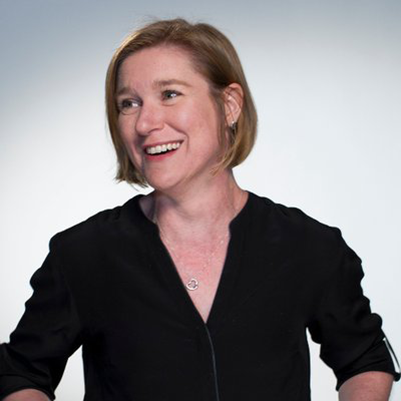
The new Rural Health Transformation Program aims to improve “healthcare access, quality, and outcomes” with $50 billion aimed at making changes to the healthcare delivery ecosystem. Keeping an eye on the state applications, the federal money awarded and how it will be used is Sarah Jane Tribble, lead rural health reporter at KFF Health News.
On this episode of “Conversations on Health Care,” hosts Mark Masselli and Margaret Flinter speak with Tribble as she offers a clear-eyed look at what this funding can and cannot do.
“This funding came as part of the big tax and spending bill, at a moment when rural America was facing deep Medicaid cuts,” Tribble explains. “The conversation in Congress was that this would help make up for those losses.”
But she warns that transparency and accountability will determine whether the program succeeds.
“I want to see the full applications posted publicly,” Tribble says. “We need to be able to hold officials accountable and make sure rural Americans are actually getting the benefit Congress intended.”
The conversation also surfaces some unexpected ideas tucked inside state proposals. From drones delivering prescriptions in Alaska to robotics improving maternity care in Alabama, states are experimenting with technology to reach communities where in-person care is scarce and broadband access remains unreliable.
At the heart of the discussion is a larger question about expectations.
“I don’t want anyone to hear ‘better than nothing’ when we talk about rural health care,” Tribble says. “I don’t want my grandmother or my mother to have better than nothing. I want them to have the best standard of care.”
(00:00)
[instrumental music playing]
Mark Masselli (00:04)
The New Year brings a multi-billion dollar infusion of federal funds to help rural Americans stay healthy.
Where's that money going and what will it fund?
Sarah Jane Tribble (00:12)
The idea is to transform rural America from the inside up. Right? They wanted proposals from the states for
technology initiatives like telehealth booths and drones, delivering prescriptions in Alaska, and robotics in
Alabama to improve maternity care.
Margaret (00:28)
Our guest is Sarah Jane Tribble. She is the lead reporter on the Rural Health Desk of KFF Health News.
Previously, she covered the healthcare industry in Cleveland, reported for major newspapers from the Carolinas
to California.
Sarah Jane (00:43)
I don't wanna get distracted by, say, the Medicaid conversation here, or the politics here. These applications
came in. There's a scope of practice that these states are working on, and I think for this year, as a reporter
accountability, I wanna make sure that when the dollars are being spent, they're being spent in the way that
Congress intended.
Margaret (01:01)
This is conversations on healthcare.
Mark (01:14)
Well, Sarah Jane, welcome to Conversations on Healthcare.
Sarah Jane (01:17)
Thank you for having me,
Mark (01:18)
And Happy New Year.
Sarah Jane (01:20)
Happy New Year. It's a very busy New Year.
Mark (01:22)
Absolutely. Lots going on. And we talk to a lot of reporters on our program, but we've never met someone
solely focused on rural healthcare. Tell us a little bit about your beat and how you became interested in these
stories.
Sarah Jane (01:35)
Yeah. So, I grew up in rural America. I have a long history with KFF Health News, Kaiser Health News
formerly. And, I was covering healthcare for decades, really, off and on. I was on the business desk at
newspapers, sometimes with healthcare, and otherwise, when I came to DC I was on another beat, but a hospital.
The second hospital near my hometown in Kansas had closed. And I went and covered it. And after spending a
year doing that, writing a podcast about it, doing an era of podcast, I asked to be a rural health correspondent
because I thought there were just so many issues in rural America and KFF Health News made it happen.
Margaret (02:11)
Oh, what a great, what a great story, and what a great inspiration that you had to do that and look where it's led.
So, today we're really interested, in, talking about, the big news. The federal government announced awardees
of its Rural Health Transformation Fund at the end of 25, just a week or two ago. this involves $50 billion to the
states over five years. Doesn't say anything about after five years. let's share with our, listeners, if you would,
what was this announcement all about and what's been the reaction, in rural America?
Sarah Jane (02:45)
Right. So, I think that the reaction is cautious in rural America. they're excited for the funding, but you know,
this funding came as part of the big, beautiful, right. the big tax and spending bill in July. And during that
debate, as your listeners will probably recall, there was a lot of concern about Medicaid cuts. KFF, the policy
side of the house has calculated that $137 billion will be cut from rural America's Medicaid spending over the
course of a decade. So, if you think about it, $137 billion being cut. They approved this bill for the, rural Health
Transformation Program at $50 billion. The conversation of Congress at the time was very much to make up for
those cuts for rural hospitals. And so that's one of the reasons it was passed when the law was approved, though,
if you read it, it's very prescriptive and it doesn't necessarily go to rural hospitals.
Mark (03:37)
You know, you've taken a hard look at the applications for the funds, and you wrote that the federal government
promised radical transparency, but it seems it's withheld a lot of details. What would you like to see that's
missing, from their reporting?
Sarah Jane (03:53)
Yeah. As a journalist, I'd like to see the full applications from all states. Most states have provided them to us
upon request. I'd like to see the federal government posting the grant applications in full so we can see what the
states are doing for their work of scope. my understanding is that, you know, these were competitive grants. The
CMS went through them and approved them. I'd like to know exactly what those final approvals were so that
then we can hold officials accountable and make sure rural Americans are getting, the benefit from the bill that
Congress intended.
Mark (04:23)
Thinking about scope in rural Americans, what is the size of rural America just for our audiences, edification.
Sarah Jane (04:31)
Well, that's a, that's almost a funny question, and that's why you see me smile. It's about 60 million Americans.
Every state has rural. But it's funny because I've been looking at the rurality numbers for these, $50 billion that's
being handed out. because that was one of the factors in measuring what states received. And Rhode Island has
like 24,000 rural residents. But as you can imagine, Texas, California, and Alaska have huge amounts of rural,
but there's rural in every state.
Margaret (04:56)
Right, right. And, and as people have often said to me, there's rural, and then there's rural, rural, or as a frontier,
sparsely populated, sparsely populated area. So, and we could talk all, all day about this, topic. you know, I, I
have to ask, some health policy, experts and, and some democrats have raised alarms, that this, program will
become something of a slush fund to fund particular, projects and maybe not be as targeted to the original intent.
How, how partisan do things look, right now when, these considerations are being made about funding?
Sarah Jane (05:34)
Yeah, I think that's a big concern for everyone. I had quoted, you know, a congress person from Illinois
concerned about, retribution that, that, that her state wouldn't get the funding that it needed because they have a
largely democratic leadership. when you look at the initial funds, the awards, you know, per rural resident,
Rhode Island gets the most, Texas does not get the most, Texas got the biggest lump. Some it's Republican, of
course. And, you know, Secretary Kennedy went down to Texas and September and celebrated their HB 18 bill,
which I also proposed, hospitals, rural hospital sustainability. So, there's a connection there. initially I think I'm
hearing from the expert that they're, they're not seeing a lot of partisanship. I think that, time will tell though,
and we need to dig into the numbers, and how the scoring was done a little bit more.
Mark (06:33)
That's kind of interesting. 'Cause the most recent news, the five Democratic states were cut on some social
service fundings, or at least frozen at this time as they look at fraud and abuse. So, we'll, we'll certainly keep an
eye on it. You know, the fund was part of HR one, the so-called one big, beautiful bill, and it was meant to
address concerns about Medicaid cutbacks, as you said earlier, and their effects on the healthcare in rural areas.
But we're wondering if the funds will be enough to stem this financial, stress on rural clinics, hospitals, and, and
other providers.
Sarah Jane (07:17)
Well, I'll switch that up a little bit and just say it's not supposed to be right. Like, so the debate in Congress was
hopeful that it would be helpful to sustain these hospitals, but actually the bill itself is very prescriptive in saying
that it doesn't go directly to, rural hospitals necessarily. The idea is to transform rural America from the inside
up. Right? They wanted proposals from the states for technology initiatives like telehealth booths and drones
delivering prescriptions in Alaska and, robotics in Alabama to improve maternity care. Those aren't things that
necessarily are saying, I'm gonna send money to rural hospitals. And in fact, the administration's been very
clear. This is not to shore up rural hospitals necessarily, or even rural clinics. It's supposed to transform. So, this
infusion of money, it's, it's, when you read the applications, there's a lot of ideas out there that have nothing to
do with rural hospitals. That said, there are ideas that do send money to rural hospitals, too. So, if you're sitting
in a state and you're wondering what is happening in the state, my advice would be to go to our website and look
at the application if we have it, if we have the project narrative online, see what the state was intending and, and
watch for that.
Mark (08:07)
But what is the impact on rural? What are you seeing as the impact on rural hospitals? This seems to be really a
hodgepodge response to a crisis that's out there, not intended to solve that problem, but it, it's a 50 state solution,
seems a little chaotic. No, no central themes here.
Sarah Jane (08:39)
Yeah. I mean, there are themes in the overall, applications and bills that were passed. and CMS put out a, a sort
of what I'm calling a white paper, but really, it's just like slides on each state, and what they approved. And so,
you can, you can look at that and see what each state is being lauded by CMS for, for including in their
application. The themes in there are telehealth. There's, there's workforce initiatives. A lot of states have
workforce initiatives. There's, what looks like kind of deregulation or free market initiatives. Things like short
term healthcare insurance. there's certificate of need disappearing in many states or proposals for that. there's,
widening scopes of practice, right. For practitioners, whether it be pharmacists or doulas in a lot of states. So
that's kind of the short way of saying the themes. To get back to your question about rural hospitals and rural
clinics, I did reach out to the National Rural Health Association. You know, they're the biggest, you know,
association that covers, rural hospitals and rural clinics across the us. They are cautiously optimistic. They did
see some bright spots in Washington State and Alabama and elsewhere, where money is going to go to help
rural hospitals. at the same time, I think there's concern about this sort of consistent talk from the administration
that, regional, larger regional hospitals can help out smaller rural hospitals. And Sure. what I'm hearing from the
experts is, sure, of course, but we don't want them to take over the rural hospitals. We don't want them to, you
know, do a consolidation effort. We would rather work with them in, in a network way.
Margaret (10:16)
Well, inherent in, in what you're saying, and Mark you referenced as well, I think is the workforce issue. And,
certainly many of the, proposals are talking about investing in, more residency training programs, for
physicians, I think some for nurse practitioners, behavioral health, therapists, but there's such a, for anyone
who's done this work, and you've been covering the beat for a long while, there's a long ramp up to put all of
that in place to be able to do it unless you're trying to really hook it back to someplace else in an urban area.
What are, what are your thoughts about the feasibility of some of the strategies that are being looked at around
workforce?
Sarah Jane (10:40)
Yeah. You know, I've covered these workforce issues sort of, tangibly like, in different ways, right? Over the,
the last five years. So, I've seen, you know, I've talked to people about their nursing programs being ramped up
with the university of, you know, Kansas, for example. And I've talked to folks in Illinois about how they do
rotations in rural areas outside of their major academic centers. I've interviewed, you know, a doctor who's a
family practitioner in Georgia. She's in a rural area, and she has trained to deliver babies. Right? So those sort of
workforce initiatives, what occurs to me when I read the applications is states have been working on these for a
long time. Yes. This is nothing new, right? And what I'm looking for in these applications is, okay, so are they,
are they focusing on the things that are working and building them? Are they presenting something new?
There's 50 states. I haven't gone through all the applications. I don't know the answer to that, but that's sort of
one of the questions I'm, I'm asking as a reporter.
Mark (12:05)
You know, just sort of timing on this, the, the money was awarded, I'm not sure when it will be distributed. And
I, I think some states are worried a little bit about what additional conditions might be put on these in terms of
states needing to provide additional information on their Medicaid population or other things. Any, any co any
word about that or any conversations going on now about, the, of course, the devil's in the detail of what those
details might look to the states to actually receive the money.
Sarah Jane (12:19)
Yeah, so on the call on December 29th, that Oz, Mehmet Oz had, the administrator at CMS had, or HHS, well,
CMS, I'm gonna get that wrong, sorry. Mehmet Oz at CMS, on that call, and with his staff members, they sort
of, provided I thought a lot of clarity actually. they want this money to come out as soon as possible. They've,
created the Office of Rural Health Transformation to manage this money. They're hiring program officers to
work with the states. They didn't say how many, but it sounded like they were ramping up to really make sure
that they were communicating directly with the states on their expectations out of these applications. That's, they
were very clear about that. there will be progress reports due later this year. and they talked about the late
summer August timeframe for reviewing how states are doing in their progress. and of course, we've heard,
we've seen the headlines that there's clawbacks. And what they really said on the call was, you know, you've got
this amount allotted this year, and it may not be the same amount in the coming years, depending on how you
perform the initiatives and goals that you set forth in the application that we worked with you to get to. So,
states should be concerned about ramping up quickly and getting their projects done. That's very much the
message. They wanna see outcomes, starting to happen within the next year or two to continue getting that
money. And they were clear that states could see less or more money depending on that in the future.
Margaret (13:37)
Well, we can't talk about, healthcare without talking about technology and telehealth, and we certainly can't talk
about rural health, and healthcare without talking about telehealth. Maybe, share what you've thought was really
innovative and what proposals are coming in to really transform rural healthcare through technology and
telehealth.
Sarah Jane (13:56)
Yeah, that's a great question. I mean, I, I don't know about innovative, but there are some fun things, I think that
tele robotics in Alabama for maternal care. CMS, Oz has highlighted that one, it stands out in the applications. I
think there's drone ideas in, in Alaska, that's, that's interesting to think of. Drones possibly delivering of
prescriptions. the more regular things that I'm seeing are sort of hub and spoke telehealth booths things. I
mentioned this yesterday on another call, but I did a story. I, I did a series of dead zone, what we're calling the
Dead Zone series on lack of, high speed internet in rural areas. And one of the companies I've talked to,
throughout that, has a booth in Alabama, it's called OnMed. They certainly wanna be part of these conversations
for the rural health funding. and they're working with states to sort of put these very, they're not basic booths
that you just, you walk in and there's like a life-sized person and things can drop down and you can measure
your blood pressure, and you can talk to a nurse practitioner or somebody on the other end. Those are the kind
of things we're seeing that's not necessarily innovative, but if they work, you know, states are proposing, and
we'll see what happens.
Mark (15:06)
Is that part of the KFF, health news reporting about the 3 million, people living in rural counties where in-person
care is extremely limited and telehealth is largely out of reach? is that part of the Alabama solution, or…
Sarah Jane (15:23)
Well, Alabama's certainly trying it. Some universities are working with Om Med, and they've got it in a couple
of spots in Alabama, for that specific company. There's, there's other companies out there too. I don't mean to
just highlight one. Sure. But that's the one that I ran into, in rural Alabama that was trying to make a go of it.
there. So yeah. that's, that's in the first story of the series actually, that we have. So, we can put that online for,
for folks to see, and we've got pictures of it and everything.
Margaret (15:20)
Keep an eye on it. And, back to, all rural areas are unique in their own way. Certainly, rural America is home to,
many of our Native American tribes. You traveled to Idaho and wrote a really insightful story about one tribe's
challenges on both the health and the technology fronts. We'd love to have you share with, our listeners, some of
that, what you learned and saw.
Sarah Jane (16:13)
Yeah, it was, an honor. you know, on the second trip, it was very clear to me that the tribal elders had to approve
my visit to the land as a closed reservation. I went to Shoshone-Bannock Tribes Fort Hall Reservation in, remote
Idaho twice. I first went in 2024, and then I went back. I'll note that on these dead zone stories of what we're
calling Dead Zone, which is, you know, the 3 million people in more than 200 counties in rural America where
there's a lack of high speed internet as well as healthcare providers. So, we've just tagged that, did some tribal
areas don't show up in the FCC data in the same way. They're often claimed to be served by companies, but
they're not actually served by companies. there are some tribes, Cherokee, some others in California that have
extensive telecommunications networks. They've been doing them for years, but there are many across the US
that have, reservations without high speed internet, and they're working to get that. challenges include that I
learned from the tribe. Francis Goli is the broadband director of the Shoshone-Bannock Tribe's effort. Those
challenges include getting Spectrum so they can have wireless internet, you have to buy that and, and, and get it.
They also include rocky terrain and build, like figuring out how to do the construction for the cable. and they
really want their sovereign, their sovereignty to be withheld. They don't wanna hand over the control the
companies. And so, I learned all of that, on my visits to the reservations. But, but in addition, I should just add,
and I don't mean to, get too touchy feely here, but the, the, the people I've met, carried, generational trauma with
them in a way that I was surprised by, on the reservation. And they stated this very plainly. And so, when you
talk about things like telehealth and not being able to have telehealth, particularly during the pandemic, you
know, having counseling and being able to, to use telehealth in ways that, would be important to their people, I
think is, is something to acknowledge. And I think that they acknowledge that telehealth would help them,
expand their access to healthcare in ways that would benefit them, them deeply.
Mark (18:37)
Yeah. Sort of two sides of the coin there. We know, certainly hearing the lived experience of people who are
trying to receive support and counseling on one hand, and we see in our urban, health centers, the access that's
become available for mental health by telehealth, right? so you're not pe so many of our patients are, being,
living on hour to hour pace, pay scales, and, they can't make the long trip lose the, lose the income that would
come in. Getting out in your car and talking to someone on, on telehealth is really important. You know, I'm, I'm
kind of surprised about how many we, we continue to hear how many counties still don't have access to, to high-
speed internet, particularly, I, I thought in the Biden administration, there was a huge push, to create access to
high-speed internet. I, I don't, I've sort of lost track of where that stands. I don't know if that's some bit of
knowledge that you might, shine a light on for us.
Sarah Jane (19:38)
Yeah. So, the Biden Infrastructure Act made a good big, huge push. Yeah. Internet for All was the idea. And
actually, that was part of the reporting for the Dead Zone series. So, if you go through the stories, I have that.
But, when the Trump administration came in, they decided to revamp that program. It, there were complaints
that the program was moving too slow, which is interesting to me as a reporter, because as I interviewed folks, it
seemed like that, that they were becoming to an end, like some of the Biden administration initiatives, the
money had flown out several years previously, but some of them were actually starting to happen, right? So, for
example, the map that we have up, it's, it could be updated now. There's, CARES Act money that went out
during the pandemic, and ARPA money that went out during the pandemic. Some of those projects are just now
getting built. Some of 'em have been built, so you're seeing more progress towards high-speed internet. But to
answer there,
Mark (20:12)
Sarah Jane, I thought I, I also thought there was a generational change because the Biden administration was
looking at hard wiring. The Trump administration looked like it was saying satellites, right? I mean, that was,
that was the sort of the, the, the major, tectonic shift, if you will, about how we're gonna do this.
Sarah Jane (20:42)
So, yeah, just to, to answer your question, and I was getting there, but so when the Trump administration came
in, they revamped the BEAD program, the broadband equity, act, and they said that states had to reapply their
proposals. So, this is like $42 billion. They had to reapply the proposals. Most of the states were near the finish
line. The Biden error prioritized high speed fiber optic cables. And so, the states put out applications prioritizing
that. The Trump administration came in and said, no, no, that's gonna take too long, too slow. We've got
satellite. Let's, let's have satellite. That's, that's sort of the basic way of saying it. And so, the states all had to
reapply with new proposals that included more satellite access, basically. and we're seeing those applications
come in and getting approvals. The NTIA has a website up where you can track those and see where the states
are in their progress. West Virginia was near the finish line, and, had, was expecting to file when all this
happened in early 2025, and they had to redo theirs. I think because of the push in West Virginia, they secured
fiber cable more than was expected at the beginning of the Trump administration. So, I think there, there's a, I
think West Virginia's a particularly interesting state. to watch on that one.
Margaret (22:06)
In healthcare things so often circle back to the workforce, issue, no matter which dimension we're talking about.
And you've written, and we appreciate your writing around the maternal, health crisis in rural America. We have
a maternal health crisis in a lot of areas, but certainly, in the rural areas. And one thing you've specifically,
noted, is the issue of family medicine, physicians, being trained, in obstetrics, and maybe more focused on that.
And I was curious where you were going with that. In, in my experience with family medicine, physicians, they
all are trained, in obstetrics, but often the ability to be supported in rural areas, to have those absolute
connections to, specialty, OB GYN or perinatal services is what's lacking. What, what would you like to see,
happen? Is it more, more family physicians being trained or, re a higher emphasis on the obstetrical part of the
training? What are you hoping to see there? And, and what's the role also for certified nurse midwives and other
people who can deliver some of that OB care in these very rural areas?
Sarah Jane (22:58)
Yeah, I think that's a really interesting conversation. as a reporter, I, I, I don't wanna give my opinion on what
should happen or what shouldn't happen, but, you know, when I think about what I heard men say on the call on
December 29th about, you know, delivery of maternal care and other things, it, it is true that research shows the
more you do something, the better you get at it, right? So, if you're in a rural area and you're delivering one or
two babies a year, do you feel fully equipped? Do you feel fully ready? Is your staff fully ready? I think that's a
fair question to ask. And so, some of the programs where you have people who have trained in rotation in rural
areas, but also in academic major medical centers, then they keep those contacts and go out to rural areas. And I
have talked to family medicine doctors or who have, who want more closer connection. They want more
training on those things. So, I think if family medicine doctors can fill that gap, the reporting I've done, and they
can also get consistent training, and they're not left out there on their own to sort of do it once or twice a year, I,
I think rural communities could benefit from that. but I do also hear that concern that you want consistent high
quality care. I don't know that one doesn't, beget the other, like, I don't know that they're exclusive. So, I'm, as a
reporter, I just wanna watch those trends and see, you know, who can deliver babies. When I was in New
Mexico, they had a big push for doulas and other services, and they were using telehealth, with a nurse
practitioner, setting up the telehealth, talking to a doctor in another community so that those mothers didn't have
to drive an hour and a half for their basic prenatal care. That was a system that was working there. I think states
can come up with their own plans. but I do think as a person who comes from rural America and somebody who
talks to a lot of rural Americans, you know, everybody wants good high quality care, so don't take that away
from 'em.
Mark (24:54)
Absolutely. Sarah Jane, you know, we live in such a divided country, the red states versus the blue States, cities
versus, counties. Do you, do you, have any sort of thoughts on how we could close this, rural urban divide in our
country that exists, especially as it relates to the healthcare?
Sarah Jane (25:13)
Is your question political or is it more from a…
Mark (
It's more of a wisdom question. What- Any sort of general adv- you know, best practices or thoughts that you
have about, you know, this stark divide that we have in our country and how we might, get more focused on this
sort of unity?
Sarah Jane (25:32)
Yeah. So, I mean, I, one of the things I love about being a reporter is talking to people. And I just think that, you
know, don't look at people as other, right? They're not “others”, they're not people that, that you aren't like you,
we're all humans. We all want the same things. We wanna wake up in the morning, feel happy, productive, we
wanna have be around our loved ones. We wanna be able to live our lives without interference. So, at a very
basic level, if you just look at all of us as humans, whether we're Republican or Democrat, or no matter what
state we live in, or really where we live, then you say, okay, as a human, what, what is good healthcare? And I
think that, that as a, as, as just a person and a reporter, I think that's the way I approach all my stories. what I
don't- as- what I would caution against is thinking, well, maybe they could make do with, because you don't
want anybody to make do with whatever technology or whatever lack of care. You know, it's good enough, it's
better than nothing. Those phrases are sort of flags for me, because I don't want my, my grandmother or my
mother to have better than nothing. I want them to have the best standard care.
Mark (26:41)
world class
Margaret (26:41)
Coming from the community health center world, we are 100% in complete agreement with you. Best Care
anywhere. Best care everywhere. And totally agree with that. we thank you so much, for joining us today, but I,
I have to, ask you with such a massive subject in this year, right, this first year of the Rural Transformation
Grants, what are the big areas that you're gonna be keeping an eye on and that we should all be keeping an eye
on, to make sure that we really take this kind of once in a lifetime opportunity of focus as well as financing, to
really make things better across the country for people living in rural America?
Sarah Jane (27:19)
I'm gonna give you a journalistic answer. Accountability. I mean, I, I don't want, I don't wanna get distracted by
say the Medicaid conversation here or the politics here. These applications came in, there's a scope of practice
that these states are working on, and I think for this year, as a reporter accountability, I wanna make sure that
when the dollars are being spent, they're being spent in the way that Congress intended.
Margaret (27:42)
Perfect. Optimism plus reality checks at every point along the spectrum. Thank you so much, Sarah Jane, for
joining us. and thank you to our audience for being here. Just a reminder, subscribe to our videos on YouTube,
find us on Facebook and x, and please share your thoughts and your comments about this program. Take care,
be well.
(28:05)
This copyrighted program is produced by conversations on healthcare and cannot be reproduced or remitted in
whole or in part without the express written consent from Community Health Center, Inc. The views expressed
by guests are their own, and they do not necessarily reflect the opinion of conversations on healthcare or its
affiliated entities.