Alzheimer’s: New Research on When Symptoms Start & Prevention
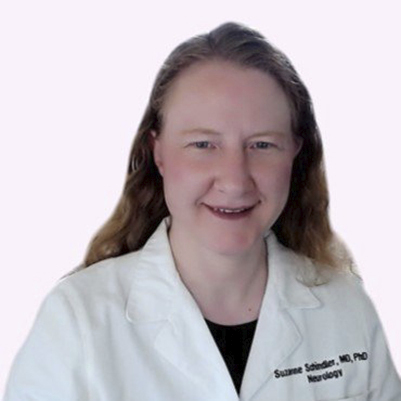
Research just out shows new blood tests can now detect Alzheimer’s-related changes years before symptoms begin. Dr. Suzanne Schindler says these findings help estimate how long that window may be.
Once Alzheimer’s-related changes begin to rise in the blood, “it creates kind of a clock for us,” Schindler, a clinical neurologist at Washington University School of Medicine in St. Louis, tells hosts Mark Masselli and Margaret Flinter.
The timeline is not exact. Current estimates carry a margin of error of about three years. Schindler describes the model as “version one,” but says advances in technology and artificial intelligence will quickly improve its accuracy.
“Given how fast our technology is advancing,” coupled with the rise of artificial intelligence and other factors, “I think that pretty quickly, we’ll be able to refine these models, so they’re even more useful.”
Schindler notes several factors that affect memory apart from Alzheimer’s disease: medications that patients are taking, or if they have other neurological disorders, for example.
“In the past, we just thought of memory problems, cognitive decline as a normal part of getting old,” Schindler says. Also, as testing improves – and particularly as reimbursement becomes more common – the initial blood test can serve as a spark for lifestyle change.
So what should a person do if their “clock” shows they are getting closer to experiencing full on symptoms?
“Exercise is definitely helpful, even just walking is helpful … cognitive engagement. If you have hearing loss, getting hearing aids. I mean, there’s many different things, reducing alcohol intake. Fortunately, we have a rich pipeline of treatments,” she says but stresses the new medications only work for those in the early stages of the disease.
(00:00)
[instrumental music plays]
Mark Masselli (00:04)
What if you knew you were about to experience signs of Alzheimer's disease as early as three years before these
symptoms started, what could you do to prevent Alzheimer's from fully developing? Our guest has the results of
a groundbreaking study.
Dr. Suzanne Schindler (00:19)
Exercise is definitely helpful. Even just walking is, is helpful. So, there was a recent study just showing that
walking is, is can, can help reduce risk, cognitive engagement, if you have hearing loss, getting hearing aids, I
mean there's, there's many different things, reducing alcohol intake.
Margaret Flinter (00:39)
Dr. Suzanne Schindler is a clinical neurologist and a neuroscientist at Washington University School of
Medicine in St. Louis. Her focus is on improving the diagnosis and the treatment of Alzheimer's disease.
Dr. Schindler (00:52)
In the past, we just thought of memory problems, cognitive decline as a normal part of getting old. I think that
we're, increasingly learning that, these are, that, that often this is the effect of, of brain diseases and, and, we can
in some cases, modify our risks. And, and, and now we have some treatments available.
Margaret (01:15)
This is conversations on healthcare.
Mark (01:28)
Well, Dr. Schindler, welcome to Conversations on Health Care.
Dr. Schindler (01:32)
Well, thank you so much for having me join you today.
Mark (01:34)
Oh, that's great. Now, your research is quite interesting but perhaps creates a bit of anxiety. You and your
colleagues have developed a model to estimate when Alzheimer's disease symptoms will begin. Maybe we
should start by asking you about the protocol you used in the study. How did you select the research subjects?
And just out of curiosity, did they have a genetic predisposition to Alzheimer's?
Dr. Schindler (02:00)
So, so those are great questions. so, we have known for a long time that this Alzheimer disease brain pathology
actually starts about 10 to 20 years before the onset of symptoms. And we can detect this pathology a variety of
different ways. So, we have specialized brain scans, we have spinal fluid tests, and more recently we've
developed very sensitive blood tests. And so, we can detect these brain changes again, many years before the
onset of symptoms, what our study did was try to connect those levels of, of blood biomarkers specifically a
biomarker called PTA two 17. that is now a, a clinically available test, to use that to predict when people would
develop symptoms. Now, these were research participants. These were not people being seen, as part of clinical
care. and so, this is a, a, a research project developmental, and, what we found is that there was a pretty strong
association between these, these PTA two 17 levels. And when people develop symptoms such that we could
predict based on a blood test about when people would develop symptoms, there was still a fair amount of error.
So, plus or minus three or four years. So that's still a fair amount, but it does tell us that this is possible and we
know that there's, a lot of different things that we can do to, to, to make these models better. So, this is kind of a
version one, but it, it's kind of telling us what's coming in the future, which is we think that we'll be, be better
able to predict who is likely to develop symptoms, and, and when. So, are they likely to develop symptoms in 10
years or two years? That, that's obviously a big difference in terms of the way you, you think about your future
if, if you realize you're going to develop symptoms, very soon.
Margaret (03:55)
Well, this, is obviously an area of such intense, interest, I think on part of people in the country, particularly the
older population, but also people who've experienced it within their families or within, their social networks
and, and so much fear about it as well. So, all knowledge I think is, incredibly welcome and received that way.
But you evaluated patients, as you said, using a blood test that measures the accumulation of, amyloid and, tau
proteins in the brain. I loved your analogy of comparing this to rings on a tree. I think people can, relate to that.
But you talked about not exactly precise, and I maybe just share a little bit more an example of what would a, a
early ring be versus, you know, rings that might appear later on. And you said, or clarify for us, is there a
sequencing of the onset or is it a varied pattern between people?
Dr. Schindler (04:53)
Well, so those are a, a lot of great questions. so, one thing that we have learned is that once you start to develop
higher levels of this pTau 217, or amyloid or tau, that it actually accumulates very consistently over time. So,
kind of like rings on a tree, as you were saying. and, and that's helpful. It, it creates kind of a clock for us. So, if,
if a tree re if tree has 15 rings, you know that it started to grow about 15 years ago, with this pTau 217, if there's
a certain level, we, we can approximate when it started to, to increase. And it turns out that the age that you
started to have increasing pTau 217 is, is really strongly associated to when you develop symptoms. so, we, we
think all of this, is, is helpful and informative in terms of, you know, the, the error margin. there's lots of things
that affect memory and thinking besides Alzheimer's disease. and, and those include things like medications,
other neurological disorders, like whether you've had a stroke or maybe you have Parkinson's disease in addition
to Alzheimer's disease. and so, all of these things, affect the likelihood that she'll develop symptoms. And so, as
we work to better develop these models and make them more accurate, we'll try to take all of those factors into
account. The research cohorts that we used were pretty clean. In other words, they excluded a lot of people that
had other neurological conditions, more complicated medical histories. and so that allowed us to see kind of the,
the signal in the, in all the, the noise. But as these models improve, we'll have to take all of those different,
factors into account that, of course, when we apply this more generally become really, really important.
Mark (06:50)
You know, you write that older individuals had a shorter time when the elevated tau levels appeared to start of
symptoms compared with younger participants. Tell, tell us what this, says about younger people's brains and
their resiliency.
Dr. Schindler (07:07)
Yeah. So, this was, a really dramatic result of the study that we didn't necessarily expect. you know, normally
when you think about a, a test, a positive result means similar things regardless of your age that you have the
condition or not. But when it comes to predicting risk for symptoms, we found that if you are 60, when you
became positive on, on this pTau 217 test, that it took about 20 years before you developed symptoms. But if
you were older about 80, it only took about 11 years. And, and this actually makes a lot of sense, because we
know that older people have, more neurological conditions and medical issues that reduce their brain resilience
and make it more likely that if they have, a, a brain disease that the, that the symptoms become manifest. so it, it
also speaks to the fact though that, we, we need to, really do everything we can for our brain health, and,
whether that's, you know, diet or exercise or making sure that we're managing our, our diabetes or hypertension,
to make sure that our brains stay healthy so they're more resilient when we do develop these, brain diseases,
that-
Mark (08:24)
What are, what are some of the common symptoms that arise? Is there any standard ones or does it vary?
Dr. Schindler (08:31)
So, there, there certainly is variability, but kind of the, the classic features that we look for with early Alzheimer
disease, are, are pretty specific. So, we see that people start repeating questions or statements. So, so they'll ask
you a question, then 15 minutes later, half an hour later, ask you the same question, do that multiple times.
they'll misplace items, much more often than in the past. They'll forget appointments. they will, have a
conversation with you and, and then later forget major details of it. Or they'll, do an, have a personal event, go
somewhere, and then later not remember the details. So those are the sorts of things. Of course, we all have
memory elapses from time to time, so we have to be aware of that. but when people change, when there's a
consistent change, over months, six months or more, and it's getting worse, that's when we, really start to, to
wonder whether the patient maybe has early Alzheimer's disease. And, and that's when we, need to do an
evaluation and, and biomarker testing. And increasingly, people are using blood tests for that, that first, test to
see if someone has Alzheimer's disease pathology.
Margaret (09:52)
Well, this, you know, maybe I've been asleep at the wheel, haven't been aware that these tests have arrived in
common outpatient primary care, primary care, primary care practices, and the clarity with which you're
speaking of it. And what would happen after, you know, for a long time was what don't test for something that
you have no treatment for has always kind of been a standard. Now we're saying test for something that you
may be able to at least mitigate or reduce, the impact. what is, and this is an opinion maybe more than science,
what's your sense about how widely what, how, how significant the uptake is among the, say over 60 population
in primary care across the country in offices? And do the, the clinicians who are ordering the test know what to
do in terms of resources and response? Could you just, you know, maybe share your opinions on that from you
and your colleagues?
Dr. Schindler (10:45)
Yeah. Again, really great questions. so, one thing about these blood tests is they've developed very quickly. So,
we didn't have blood tests for Alzheimer's disease, well six years ago, but they've developed very quickly, and
now we actually have highly accurate tests, and two of them have even been cleared by the FDA. There's more
tests that are being evaluated by the FDA that'll probably be cleared soon. And they're increasingly available,
and they're available from major diagnostics companies, including from C two N Diagnostics, LabCorp, quest,
Mayo Clinic Labs. So, basically any doctor can order these tests. Right now, the major gap is that most doctors
don't know which test to order, how to interpret them, all of those kinds of issues. So, at this point, I'd say that
the biggest gap is actually, clinician education. And also, that many of these tests are not reimbursed. so, you
may have to pay for them out of pocket, but they most definitely, can be ordered. and I do think they will
transform care, but sometimes it takes time, right. for people to incorporate into, these kind of new tools into
their thinking. and, of course we now do have two FDA approved treatments, for Alzheimer's disease,
lecanemab and donanemab, that we know are most, that are safest and most effective when we give them early,
they are, are not helpful later. so that really creates a sense of urgency that we should try to diagnose people
early, and we're becoming increasingly aware that there are different lifestyle modifications that may, may also
be helpful. So, so yeah, in the past we just thought of memory problems, cognitive decline as a normal part of
getting old. I think that we're, increasingly learning that, these are, that, that often this is the effect of, of brain
diseases and, and, we can in some cases, modify our risks. And, and, and now we have some treatments
available.
Mark (13:00)
You know, Margaret, I always get confused between dementia and Alzheimer's. And Alzheimer's always
dementia, but dementia's not always Alzheimer's. Right. Is there any confusion in terms of when you're
diagnosing people, between just, dementia and Alzheimer's?
Dr. Schindler (13:17)
So that is the number one question that I'm asked by my patients. And it is, a major, confusion for, for many
people. So, dementia is just a, a general umbrella term. that means that someone's had a decline in their memory
and thinking that affects their function to, to some degree. And there's many, many causes of dementia, and
some of them are reversible. So, for example, people that are taking six different sedating medications and have
sleep apnea, we can sometimes fix that and they can improve. but in older individuals, those older than age 65,
the most common cause is Alzheimer's disease. And Alzheimer's is a specific brain disease, and it's
characterized by these amyloid t plaques and tau tangles in the brain. And that's what these blood tests reflect.
they reflect that the amyloid plaques and tau tangles in the brain, and we do these blood tests in patients who
have cognitive impairment to try to understand whether their symptoms are due to Alzheimer's disease or
something else. If the test is positive, it tells us, yes, the symptoms may be related to Alzheimer's disease. If the
test is negative, that's also helpful, right? It tells us it's not Alzheimer's, you need to look somewhere else. so, I, I
think these tests will be more and more helpful and primary care doctors are increasingly ordering them. but
there, there remains a lot of education to be done about how to use them.
Mark (14:45)
You were saying that it's not covered by insurance. our population we're concerned about is certainly Medicaid.
Are you seeing any Places where it's being covered there?
Dr. Schindler (14:55)
Yeah, so, so right now there's a lot of inconsistency. So, I'm hearing that sometimes the tests are paid for and
sometimes they're not. and so, I always warn my patients that, that the tests may or may not be covered. there's
actually billing codes so they can be covered, but, there's just a lot of, fragmentation of our healthcare system
with different insurance plans. And, and sometimes they'll approve it and sometimes they won't. I expect that as
these tests are used more widely, that they will, give more consistent reimbursement. But right now, it's, it's just
unclear whether they will be paid for or not. and sometimes the tests are a couple hundred dollars, and
sometimes the tests are, $1,450. So, it, it depends on the test. there are, patient assistance programs for some of
these tests to get them covered. So, so even the expensive tests may, may only cost $50, but it takes some, some
research to figure this out.
Margaret (15:54)
Well, I, would presume I could be wrong, that there will be huge demand, for the test. Some people will avoid it,
don't wanna know, the answer. Of course, we always run into that, in healthcare, but I, I would imagine they
will be highly thought if CMS is not covering it under Medicare. Now, I would imagine this would be a high
demand, but one of the, the paradoxes is, sometimes, you know, whether it's with smoking or anything else,
there are certain triggers that make people say, this is the day I stop the drinking or the smoking, or I start
exercising, I change my diet, I get my lipids under control. All of those things. tell me, what are you seeing and
your colleagues who are engaged in this research in terms of this being a precipitating factor for people really
both needing to and actually making lifestyle changes. Is that, is that part of the counseling that goes with the
results of the tests?
Dr. Schindler (16:50)
Yeah, so it's, it's complicated. So right now, we only perform these tests in people who already have cognitive
impairment. so, they're…
Margaret (16:59)
Self- self-diagnosed or diagnosed by somebody else. If the patient shows up, reporting it, self-reporting, would
that be enough to get a test?
Dr. Schindler (17:08)
So, so right now, no. So, if, if a patient comes in and they're concerned about their memory thinking we would
do testing, and if they have impairment at that point, then we could consider the test.
Margaret (17:20)
I See.
Dr. Schindler (17:21)
But if someone's just concerned, we do not at this point recommend testing, because of a, it's, it's a variety of
issues, but one is, for example, you could become ineligible for long-term care insurance or be subject to
discrimination. You know, there's, there's just-
Margaret (17:36)
Right. But it seems counterproductive to your research, which shows the earlier you detect it, the greater your
chances of responding to the medication. So, some conundrums, which are part of…
Dr. Schindler (17:48)
Indeed.
Margaret (17:49)
…part of health and healthcare. That is definitely one of the conundrums, I would imagine.
Dr. Schindler (17:53)
Indeed. But, but yes, I think there are people who are very proactive who really wanna know and would change
some factors in their life, if they knew they were positive, that said, they should probably change those factors,
even if they're negative, right? You can make that argument too. We all know that we should, eat better, sleep
more and, and exercise more. And, and, and yeah, sometimes we don't do it, but, but you're right. Sometimes,
some kind of individualized information can, spark change. So, it, it is something to think about.
Mark (18:29)
You know, I think about the casual viewer of healthcare issues. They come across, this in the newspaper about
some new research that can ward off, Alzheimer's, disease. What's your perspective on what someone can be
doing now? And you've, we talked a little bit about this in terms of exercise. Is there any definitive or just have a
healthier lifestyle? Should I be walking? Should I be, you know, what, anything that actually makes a
difference?
Dr. Schindler (19:01)
Yeah, so there, there actually are guidelines. So, the Lancet Commission has looked very closely at factors that
are associated with risk for dementia, and a lot of them are things that you might expect. and, exercise is
definitely helpful. Even just walking is, is helpful. So, there is a recent study just showing that walking is, is can,
can help reduce risk, cognitive engagement, if you have hearing loss, getting hearing aids. I, I mean there's,
there's many different things, reducing alcohol intake. I, again, a lot of these are our, are really, healthy living
kinds of things, and are, somewhat common sense. but the, the Alzheimer's Association actually has,
information on those specific things that you can do to, to, to de decrease your risk over time. Now, once people
develop symptoms, it's actually more challenging. And, and unfortunately, as a, as a dementia specialist, I, I
regularly see people who did everything right. You know, they had a wonderful lifestyle, they did exactly what
they were supposed to do, and they still got Alzheimer's disease. some of them do have genetic risk factors that
make it more likely that they'll develop symptoms and, and some of them just aren't, aren't unlucky. So, so you
can do all of these things to reduce your risk. but unfortunately, some people still will develop Alzheimer's
disease dementia.
Margaret (20:29)
Sure. So, so many questions. We could keep you here all day, but just gonna continue on, a little bit more. I
would imagine that you're part of a, a team of people and that there are multicenter teams all over the country
and the world probably, that are looking at this. And I'm curious, we've been part of the National All of Us
Project with the NIH for many years for our, patient populations across the state. and I wonder what the, what
the understanding is to date in terms of, regions of the world, the, the demographic factors between and among
people. Do we have any kind of emerging patterns around that, other diseases earlier in life that may have
contributed share? What, again, you are doing such great research, but I know you also are LinkedIn probably to
a large community of researchers in this area.
Dr. Schindler (21:20)
Yes, yes, absolutely. So, so dementia has a huge impact around the world, not just in the United States, but
around the world, even in developing countries. So actually, some of the, the biggest rates of increase in
dementia are in, places like India. and, our population is aging, and all of these, neurodegenerative disorders are
associated with older age. So, we expect this is going to get worse. There is variability in different populations.
some of this is likely, related to, lifestyle factors. so for example, some populations have much higher risk of
cardiovascular disease and stroke. so, in, in those populations, a lot of the memory thinkings are problems are
driven by that in addition to Alzheimer's disease. but, you know, in other populations, they, they don't have
those risk factors and, and they, ha have high rates of, of Alzheimer's disease. So, it, it really, varies quite a bit
across populations. But what's consistent is Alzheimer's diseases is really in all populations. it may have a
variable effect on, on, whether or not people develop symptoms. there may be variants in the genetic factors that
contribute, but, but it's, it's a human problem. It affects, really all of humanity. And the impact will, will
certainly increase as are our population ages.
Mark (22:57)
The food and drug administration's recently approved some new therapies to treat Alzheimer's. How do they
work and are you seeing results? And is the main course of treatment monoclonal antibodies, is that the
preferred…?
Dr. Schindler (23:11)
Yes. So, there are two, treatments that receive traditional FDA approval. One is called lecanemab, one is called
donanemab. They are both antibodies that bind to the amyloid plaques in the brain, and they actually activate the
immune system to clear the plaques out of the brain. the issue is that by the time people have symptoms, that,
that they also, they already have a lot of amyloid and they've developed other damage, from the amyloid and
associated effects. so we do see significant effects of, of the amyloid clearance. so, it slows cognitive decline, by
about 30%. and it, it looks, and, and open label extension studies, like the effects increase over time, which is
very promising. but people still unfortunately decline. So, we need, more treatments. and, and fortunately we
have a rich pipeline of treatments. We expect that we'll get more treatments in the not- hopefully not too distant
future. And we may add those on to the amyloid clearing treatments. The other thing is, they're, they're exciting
trials underway right now where we're providing these, amyloid clearing, treatments before people develop
symptoms. Hmm. So, before they've developed a lot of the, the secondary effects of amyloid, and those are
going to read out in the next couple of years. And if those are positive, if they show clearing amyloid before
symptoms develops, actually slows or prevents the onset of symptoms, I mean, that could really be
revolutionary. So, so that's very exciting. And if, if we get to that point where we have treatments that can,
prevent development of symptoms and people who have positive blood tests, then that's when we're gonna have
to start screening lots of cognitively unimpaired individuals with blood tests. And, and that may not be that far
away, actually. So…
Margaret (25:09)
I, I'm pretty willing, willing to bet that if we had the, if we had the ability for our audience to be dialing in right
now, they would be saying, what the heck? Why aren't we screening people now? I think everything you've,
you've said in, in the last few minutes, and while optimistic about the future tests, it does sound like knowing
today, has a, gives you greater potential to perhaps enroll in trials to monitor yourself, to be screened more,
more thoroughly. You know, we all have a general sense of how our memory and mental status is, but that's
different than having somebody do a cognitive, assessment. So, what are, what are you hearing from the, I'm
sure the Alzheimer's associations and so forth are following your research avidly. What are you hearing from the
consumer community about the need to have more, to have access, more widely available to testing without
symptoms, just on the basis of age?
Dr. Schindler (26:07)
Yeah. So, I, I think there's tremendous interest, but, but right now, I would say in the medical community,
there's a, a broad consensus not to do the testing in the cognitively unimpaired individuals. because we don't
have a specific treatment at this point. as we talked about, it may affect, people's level of motivation to institute
lifestyle changes, but they should, should still do it anyway. And, and we are worried about some of these legal
risks, but, you know, these are things that we're actively working on, right? To try to deal with these issues. and,
and I think that the bottom line is things are changing very fast, and if we get treatments that can really prevent
onset of symptoms, again, that will really change, that will change the Equation very quickly. and, and just one
other note that these, these blood tests have really advanced very quickly and we, we expect they'll continue to
advance, and they become available and FDA cleared just in the last year. So, so again, we're, we're really at this
tipping point where, where lots of things are changing and very exciting. I expect it'll be a, a major, topic of
conversation over the next few years.
Mark (27:20)
Let Me just slip in one quick question. Tell us a little bit about you and what led you to the do this very
important research?
Dr. Schindler (27:28)
Well, I've been interested in Alzheimer's disease for a very long time, since high school, actually. because I, I, I
knew someone, a friend had early onset Alzheimer's disease, and it was really devastating. But, but then of
course, as I got into the field, I've met thousands of people affected by Alzheimer's and, and it's, it's really, a
devastating disease. So, it's made me, very, motivated to, to, to try to advance the field for, for patients and
caregivers. and in terms of this specific question, so I've been involved in clinical trials where, we, we screened
older individuals with biomarker tests and found some that were positive to enroll them in these clinical trials.
And, when they found out they were positive, the first question they ask is, well, so how long do I have before I
develop symptoms? Right? Am I going to develop symptoms in one year and five years, 10 years? Never. And,
and I, I realized that there was really no way to know, kind of given current mathematical models. So, so really
for, over five years I've been working to, to try to answer these questions. And the, the study that we, published,
I think provides some, some insights in how to do this. I still think of it as kind of a version one, but given how
fast our, technology is advancing in these assays and also our, analytical methods with artificial intelligence I
think that pretty quickly we'll be able to, to refine these models so they're, they're even more useful.
Margaret (29:03)
Well, that is an optimistic note, absolutely. To close on. And Suzanne, we want to thank you for joining us, for
this very, insightful program. And thank you to our audience for being here. Just a reminder to subscribe to our
videos on YouTube, find us on Facebook and x, and please share your thoughts and your comments about this
program. Take care and be well.
(29:24)
[instrumental music plays}
Margaret (29:26)
This copyrighted program is produced by conversations on healthcare and cannot be reproduced or remitted in
whole or in part without the express written consent from Community Health Center, Inc. The views expressed
by guests are their own, and they do not necessarily reflect the opinion of Conversations on Health Care or its
affiliated entities.
(29:48)
[instrumental music plays out]