Rural Health Transformation Program: Latest Details
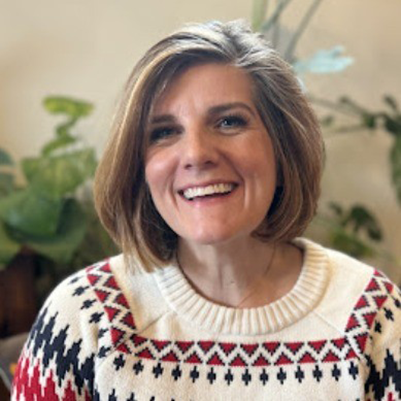
A total of $10 billion of federal dollars is flowing to states right now as they seek to implement the first year of the new Rural Health Transformation Program. The early reports from the National Rural Health Association show promise and concerns.
Carrie Cochran-McClain, NRHA’s Chief Policy Officer, says, “I’ll be honest. We were hearing from members and from the public about whether these awards would be politically influenced. [The Centers for Medicare and Medicaid Services] moved quickly to issue a thorough funding notice and stuck closely to the criteria that were laid out.”
But the fact remains the RHTP dollars will never fill the gap caused by the federal Medicaid cuts. Instead, RHTP’s goal is to “strengthen, modernize, and sustain rural healthcare delivery.”
Cochran-McClain explains, “This money is being proposed to be used in some really important ways because we do have long-standing disparities in health outcomes and life expectancies in rural communities.”
Nearly one in five Americans lives in a rural community, yet rural hospitals and clinics continue to operate on thin margins. Hosts Mark Masselli and Margaret Flinter ask Cochran-McClain to provide an overview of how states are using the funds at this critical time.
(00:00)
[instrumental music plays]
Mark Masselli (00:04)
About 19% of the country's population lives in areas considered rural. Our guests and her allies work to close
rural health disparities, and they're celebrating some recent legislative victories.
Carrie Cochran-McClain (00:16)
This Money is being proposed to be used in some really important, ways because we do have very challenging
situations in many of our rural communities in terms of, like I said, health outcomes and life expectancies.
Margaret Flinter (00:33)
Carrie Cochran-McClain is the Chief Policy Officer of the National Rural Health Association, and it is the
largest organization of its kind serving rural communities.
Carrie (00:43)
I'll be honest. we were hearing from members and folks in the public about the awards, potentially having more
political influence than I believe. They ultimately ended up CMS, moved quickly to put out a very, what I
thought was thorough, notice of, grant funding given the timeframe, and they stuck pretty closely to the criteria
that were laid out in that.
Margaret (01:07)
This is Conversations on Healthcare.
Mark (01:19)
Well, Kerry, welcome to Conversations on Healthcare.
Carrie (01:22)
Thanks for having me.
Mark (01:24)
Oh, that's great. Let- maybe we could just do a recap of some of what happened last year. First, the bill known
as HR one proposed billions of dollars of cuts to the Medicaid program. Tell us what was the specific threat to
rural hospitals in that bill.
Carrie (01:40)
Sure. rural hospitals, there are about 2000 of them across the country, and on average, they operate with much
lower margins, meaning they have less kind of cash at the end of the day than most facilities across the country.
Of our rural hospitals, about 50% of them have negative operating margins, meaning they have to come up with
other resources to make ends meet, at the end of the day, end of the year. And when you think about the fact that
the Medicaid population is about 20% of a rural hospital's kind of group of covered lives, at any kind of cut,
especially when it's one that's up to 20%, sometimes even more, will have a big impact on those facilities. And
so, the, what we were really voicing is that as you were thinking about changing Medicaid policy, whether it's,
to how state states are pro paid or how, who is eligible for coverage, you need to realize that it's going to have
rippling effects to, the providers who are caring for them in rural communities.
Mark (02:50)
Carrie, is a hospital that's in a rural area, a rural hospital, or is there a special designation they have to get to be a
rural hospital? That is a great question.
Carrie (02:59)
We have made rural hospital- well, like everything in healthcare, let's be honest, we have made rural hospital
payment very confusing. it all dates back, I won't go too far into the history lesson, but it all dates back to when
Medicare moved to the prospective payment system. And, PPS rates are based on kind of an average that does
not really adequately consider the low volume and high fixed costs that rural providers, have to meet in order to
provide care. Right. You just have fewer patients, but you're paying for the same, types of services, types of cost
related to providing those services. And so, we have over the last probably 30 years now, come up with all sorts
of different ways to recognize unique situations of rural providers. So, we've got critical access hospitals, we've
got sole community hospitals, we've got Medicare dependent hospitals. We have low volume hospital,
designations, and then we have kind of outpatient equivalents with our rural health clinics. And then there are
many, federally qualified health centers or, community health centers in rural areas as well.
Margaret (04:12)
Great. Well, we're gonna talk more, I think, about the rural health clinics and the community health centers, but
I wanna go back to, the hospitals, for a moment. And that, that figure you put out a little while ago of 2000 rural
hospitals?
Carrie (04:23)
Mm-hmm. Mm-hmm.
Margaret (04:24)
Is that what I heard? That's, that's a very, impressive number. And yet, given the distance may still not be
enough, but your organization, has stated that some of those, cuts we just discussed will be offset by the Rural
Health Transformation Program, which obviously is a big topic of discussion in healthcare circles all over the
country, rural and urban, I think. Tell us how this fund, came together back while Congress was debating HR
one.
Carrie (04:50)
Sure. Well, I think there was some great recognition of the potential impact of Medicaid cuts on, safety net
healthcare providers everywhere, including rural. And as part of that conversation, Congress came up with the
Rural Health Transformation Fund, which is 50, do 50 billion, billion over a five year period of time. that's
really meant to transform rural healthcare. The challenges is, the way the statute is written and the way most
definitely the way the administration is implementing it is that the funds can go to a much broader set of
activities, all of which I think have some level of validity in terms of needing to address the longstanding
disparities we have in health outcomes in rural areas. But they aren't necessarily, those dollars aren't necessarily
directed directly to, rural hospitals and the potential losses that they will see during, the Medicaid cuts. And so,
we're in this position where it's a little apples and oranges. the Kaiser Family Health, the Kaiser Family
Foundation estimates that over the 10 year period that the bill was scored, there will be $170 billion in federal,
losses under the Medicaid program. Even if that entire 50 billion for the transformation fund goes directly to, the
providers who are, who will see those losses, it's not gonna be enough to offset it. And there's really no
guarantee with the way the program's being implemented that those dollars will even go to providers most in
need. Those decisions have been made up, left, have been left up to the states to make for the most part.
Mark (06:33)
Well, that's a very interesting point to make. $50 billion sounds like a lot, but they cut much more than that.
Yeah. Tell us a little bit about what you see in that process. State governments are coming together, they're
sending off to CMS, here's our proposal. CMS is, you know, I, I think half of the money is going out by some
allocation formula. the other half will be by CMSs decision. Tell us what you are seeing in some of those
applications. Is there anything exciting happening outside of, its shorting the vital programs that need money,
the rural hospitals and rural health centers as well. But what are you seeing in the proposals so far?
Carrie (07:15)
Yeah, and, and again, it's a little bit of a catch 22 because this money is being proposed to be used in some really
important, ways because we do have very challenging situations in many of our rural communities in terms of,
like I said, health outcomes and life expectancies. So, we are seeing a big portion of the money going towards or
being proposed to be used towards, really thinking about rural hospital and provider stabilization. So that is part
of it. we also are…
Mark (07:50)
But that, but that varies by state, right? Is that…
Carrie (07:53)
That varies by state. Yeah. And then sometimes it's even a little bit more specific. So, we are seeing some
specific callouts for things like, the vast, there's a significant number of our rural hospitals who have, close their
labor and delivery services. So, we are seeing, where, states may be choosing to stabilize, labor and delivery, or
think about how they get that care to a community. So, it might not be the entire hospital, it might be one
element of the support that they provide. We're seeing a lot of focus on workforce. That was one of the five
strategic goal areas within the program. And so, efforts looking at grow your own pop, grow your own
pipelines. we know data shows that if a, if a practitioner is from a rural area or if they're trained in a rural area,
they're four to five times more likely to practice in that community. So, thinking about how we really grow and
invest in our training capacity in rural areas, and we've seen lots of good examples of that. We also have seen a
heavy emphasis on virtual and technol technology enabled care. And you heard this a lot from the
administration. There's a lot of interest in remote patient monitoring, telehealth expansion, thinking about how
we really lift up our digital infrastructure through investment. some of that is gonna take some investments in
basic, EHR capacity and interoperability capacity, but some of it is a little bit more what we're seeing as even a
little bit more kind of cutting edge, even some AI kind of enabled care. And then I would say the, last, bucket
really is around, the MAHA agenda of making sure that we have community-based whole person care. thinking
about, care coordination. There's a big focus on community health worker expansion in a number of states.
there's focus of behavioral health and tele behavioral health services. So, all, like I said, important to making
sure we have strong wellbeing in our rural communities. and, we're excited about kind of the initiatives and
innovations that may come out of this. but it is gonna take some, oversight and, have our, keep our eye on the
ball on the broader infrastructure, the day-to-day reimbursements to help the provider survive as well.
Margaret (07:57)
Sounds like we needed a plus, not a and/or situation.
Carrie (10:27)
Yeah. Right. Exactly. Yes.
Margaret (10:30)
And, and you know, I've read, some critics say that the fund, the Rural Transformation Fund lacks transparency
and has the potential for politicization to, which I think I would say if you put $50 billion, into play, we
certainly are gonna probably hear about, politics Yeah. About those, those issues. but, you know, there's some,
some thought that, states that were, friendlier perhaps to some of the administration's policies, might have
received an advantage. What is your group stand on this pushback?
Carrie (11:00)
Yeah, it's a good question. There was a lot of concern, I'll be honest. we were hearing from members and folks
in the public about the awards, potentially having more political influence than I believe. They ultimately ended
up CMS, moved quickly to put out a very, what I thought was thorough, notice of, grant funding given the
timeframe. And they stuck pretty closely to the criteria that were laid out in that, some of the funding allocation
was, based purely on kind of the formula, the statutory formula, that formula that required funding to go to more
rural states or states that had certain rural indicators,
Margaret (11:42)
Sparsely populated areas, right?
Carrie (11:44)
Yes. some of the funding, was, and this is the discretionary funding. So, there was 25 billion that went equally
to everyone, Alaska and New Jersey. It got equal amounts in that kind of baseline funding. And then there was
another 25 billion that was discretionary. And within that discretionary, there are three kind of categories. One
that had the rural indicators, one that was the state's proposal to transform rural healthcare and how valid that
CMS and the reviewers felt like that, proposal was. And then the third area is, was around really incentives to
help states, implement state level policy changes in areas that the administration thought were important and
helpful to rural areas. So, some of those did, I would say, did have a political leaning to them. Others are
longstanding things that folks in rural areas have been working on. So, an example of the longstanding would be
some of the scope of practice challenges, or, or battles, I will say that we typically see, between guilds. so yes,
and then…
Mark (12:56)
Battles between guilds, it sounds like the Middle Ages.
Carrie (12:59)
Yeah, right? Well? And, and states could choose whether they put in to do those state level policy changes. So,
there are some states, a number of bluer states that decided not to do any of those or do a, a handful. There are
some states like Alaska that I think may have put in almost every policy, proposal idea that we saw in the
NOFO. I mean, they're tackling a whole lot at the state level. And CMS was pretty direct that, at least the staff
that we heard from it was, don't bite off more than you can chew in that they are gonna be holding states
accountable to being able to implement these things. So, it will be interesting to see if any of those funding
levels shift as we get into implementation. 'Cause there is an opportunity for CMS to pull funding back or not
fund at the same level moving forward if they feel like the work isn't being done as proposed.
Margaret (13:53)
And Carrie, can I just clarify; the 25 billion of the 50 billion is in this first round of applications. Then the
second 20, the remaining 25 will be a little bit later, or it's all going out,
Carrie (14:06)
It all goes, I mean…
Margaret (14:07)
I see, thank you.
Carrie (14:08)
technically it's all awarded now. So, the states got their kind of first year funding level that was pulling from
those two tranches of funding, and then the funding will be allocated over a five year period. so, it's being done
in a, what's called a cooperative agreement in in federal, if you're familiar with federal funding, it's, it's a, it's an
opportunity, it's an agreement type that has both the government and the states kind of having some input into
the direction of the work. And assuming states are meeting kind of their, their proposed work plan and goals,
CMS will fund kind of at that same level for the five year period.
Mark (14:50)
You know, Margaret, we've heard, and, and Carrie just mentioned accountability and implementation. I think
what we've heard is sometime in October CMS is gonna make an evaluation about whether or not the state is
gonna get the same level of money…
Margaret (15:03)
Not a lot of time.
Mark (15:04)
so, they really wanna hit ground running. You know, I wanna shift a little from, from these dollars into
something, that you've been working closely with the congressional champions to, to build support for
improving care in Rural America Reauthorization Act. I'm wondering if you could shed a little light on what
that program is and what, are its chances of Congress approving it.
Carrie (15:37)
Yeah, great question. So, the, the program that you were talking about improving care in, rural America
Reauthorization Act, there is, within the US Department of Health and Human Services, an office called the
Federal Office of Rural Health Policy that has been around for 30 plus years, really serving as a voice for rural
healthcare within HHS at the federal level. and one of the core kind of umbrella set of programs they operate,
are called the outreach programs. This bill would reauthorize that suite of outreach programs. And the reason
that we believe so strongly in getting this bill reauthorized is that these programs are so unique to the federal
government. They give rural communities the ability to come together in a consortium model. So, it requires,
three partners within the community to come together and the, the grants fund work that is deemed to be needed
by the community. So, the topic of the work, while there are definitely themes across the country, is community
identified. So, we see a lot of work in, kind of emerging areas that are unique to communities, their three-year
almost kind of pilot, demonstrations or, or programs to get the work up going kind of up and going and on the
way. And we see incredible sustainability rates, in the nineties, high nineties for these programs once they're
funded. So, it is, I think, one of the few places where communities can say, I have this specific need. And, and
we really see the collaboration in moving it forward. And it's just been so successful. We are thrilled that it has
passed out of committee in both the House and Senate, and, are very thankful for our sponsors, Senator Scott
and, Congressman, Carter in leading that. right now, it's, we were hoping for a hotline, but, maybe a floor vote.
You know, it's so hard to predict what's gonna happen in Washington these days, but we are hopeful to see it,
get past the finish line, this Congress, because the author authorization did expire at the end of last year. So now
we're in that space of, hoping that, Congress decides to appropriate it. But there isn't a, an official authorization
for that program any longer.
Margaret (18:18)
Well, I think everybody's on the edge of their policy seats probably this week waiting to see what happens. But
meanwhile life goes on. Yeah. In our country, rural and urban, and certainly I would say for the last 25 years,
the opioid crisis has been a crisis across America. And certainly, rural communities were hit, very hard as well.
You know, first with the prescription drugs and then, with fentanyl and, of course alcohol, has always been there
in our country, methamphetamine, as a scourge. Is that still from your perspective as states are looking, to really
invest in programs, is that crisis still commanding attention in terms of investments that are needed? The, we
still have the problem. I think we've made some good progress in treatment and control of some of the
substances, but we still have a big crisis, I think.
Carrie (19:03)
Yeah, I mean, you said it, you said it perfectly. There is most definitely still a need in this space, in SUD
treatment, I would say across the board without- with opioids continuing to kind of take the lead at that. But
you're right, we have alcohol use, we have, higher use of methamphetamines in some of those types of drugs in
rural areas, in, in certain pockets of the country. The thing that's interesting with the OUD and the opioid crisis
is that while nationally I think there have been improvements in, OUD indicators, we are seeing slower progress
in our rural communities, which is concerning. And in some cases, CDC is reporting even widening gaps,
between rural and urban. So overall, the news is good, but we'd like to see more progress in our rural
communities. and, you know, I think a lot of that is due to some of the persistent challenges we have related to
accessing treatment and, some of the structural barriers in, in getting, re treatment and, and prevention around
behavioral health services. Again, we're hopeful that there may be an opportunity through the Rural Health
Transformation funds for states to really hone in on this. we also have, been really looking at, legislative
solutions that continue to support kind of those rural specific community based interventions, as well as
telehealth being, a way to get access to behavioral health, including OUD in our rural communities
Margaret (20:30)
And, and tele training for people.
Carrie (20:33)
Yes. And tele training. Yes. Yes. Yeah.
Mark (20:36)
Well, Carrie, I wanna get into the weeds a little. I'm wondering if you could just shine a light on the fight over
the attempts to expand, site neutral payment policies, and tell us a little why the association so opposed to such,
site neutrality.
Carrie (20:41)
Yeah. So, site neutral, you know, it's such, it's, if you, if you can take a step back, it is, it is always interesting in
my perspective to see how, markets, drive what healthcare looks like in this country. And, the conversation
around site neutrality, like many issues, I think plays out differently in a rural context. you heard me at the top
of the hour talk about kind of our rural hospital vulnerability. The- one of the challenges we see here is that rural
hospitals, depo, rely, more heavily on our outpatient services. If you think about the kind of care that's provided
in a rural community, it tends to be lower acuity, more primary care based. and our rural hospitals see as much,
if not more than 75% of their revenue is coming from outpatient services. Unlike, you know, a, a larger tertiary
care center that may have many more kind of inpatient based, revenue. So, when you are talking about with, site
neutrality, kind of making equal, or lowering the hospital outpatient payments to match what's in a physician's
office, that really could have a disproportionate per, impact, again, on our rural, our rural areas, given how
much, outpatient services or how many outpatient services they're doing. The other thing to keep in mind is,
with the way that, our markets have evolved, we see fewer and fewer freestanding, physician practices in our
rural communities. More, doctors and advanced nurse practitioners and a NPAs are, are getting out of the
business of having their own practice for a whole range of, of reasons. And in many instances, the hospitals are
the ones who are, who are, picking up those services or operating those CL clinics if the doctors are closing
shop. In that case, if we were having to, move to a site neutral model, we have significant concerns about a
hospital's ability to keep those sites open, which may cause further access challenges if, you know, there's no
one there to operate the, the local physician's office because they've closed up shop. so, you know, I think there
are some legitimate questions about, from my perspective about why you should have to pay more for certain
services in certain settings. the truth is, in, in, a rural hospital setting, it can be more expensive to get that care,
but it may be the only place in your community you have access to it. and so, we believe that as those site
neutral conversations are happening, that we need to account for that and account for that when we're really
thinking about beneficiary access in the long term.
Margaret (23:54)
Well, this is so important. And, and I have to say, I also have such admiration for some of our, rural states.
Maine is one of them, where the creativity that's gone into how they connect people to the right service, to the
specialist, and the tertiary services as well as rural, is just, incredible work. So great to shine a light on it. and
along those lines, we're really interested in your collaboration with the National Association of Rural Health
Clinics. And this is a great time, I think for, us to ask you for our listeners to maybe clarify community health
center, federally qualified health centers, rural health clinics, rural health centers, rural hospitals. maybe just
shed a little bit of light on how do you move from one to the other and what's the essential difference? They're
all there to take care of people, but what are some of the essential differences?
Carrie (24:42)
Right, right. Alphabet soup, isn't it in healthcare? so, a rural health clinic, I think when you're talking about
outpatient care, for the most part, right? Like if you're thinking about a clinic or a physician's office, primarily in
a rural context, you're talking about a rural health clinic or a federally qualified health center or a community
health center can get into the weeds of the difference between the FQHC and the, and the CHC. But there they
are different models in that, the community health center program has, they receive grants from the federal
government and they have, certain parameters they have to follow, in, in, in, in return for getting that grant
funding. So, they have to provide, care, to anyone who comes in the door. They have to provide a fly, a sliding
fee schedule. they have a very patient driven board of directors. correct me if I've gotten any of this wrong, but
it's a little bit of a different model. then, the, so you see them, you may see a, a, a network of community health
centers, but they tend to be, you know, kind of a community driven, model of care. and they ha and they provide
things like oral health and behavioral health, as well as primary care. A rural health clinic may do those things,
but they might not. the Rural Health Clinic designation is a designation under Medicare that recognizes, again,
the challenges with providing primary care in a low volume setting. and so it is a payment designation that, that,
sites who qualify get, under Medicare and in most states, under Medicaid, a lot of them do have sliding fee
scales, and, and do provide high levels of, kind of charity care, but it's not a requirement in the same way that
the health center program is there are just under 5,500, rural health clinics nationally, and in rural areas, data
from actually the National Association of Rural Health Clinics, shows that nearly 2, 1, 2 and three rural
Americans are served by those sites. and with an RHC, like a community health center, there's access to primary
care. that's really their model. They do, depending on the site, may have some behavioral health, may have
other, more specialty services. They also have a team-based model. So, you may see a physician, but they're also
required to have a non-physician practitioner on site. So, an advanced nurse practitioner or a physician assistant
of some sort. And there are quite a few provider-based rural health clinics that may partner with a small critical
access hospital, which is our smallest kind of rural hospital, 25 beds or less. So that might be the outpatient site.
a provider based rural health clinic might be an outpatient site for a small critical access hospital.
Margaret (27:43)
That was very helpful.
Mark (27:45)
That was very good. Great. We'll re we’ll capsulize that and send it out to our, to our colleagues.
Carrie (27:50)
It's a lot!
Mark (27:53)
You know, just a quick question before we wrap up. You were talking about; the markets drive so much of
healthcare. I was just thinking about the Medicare Advantage program, of course, which is available across the
country, but they just got notice from CMS that the amount that they had expected, maybe in the 6% range, they
were at 0.9%. any thoughts about the implications that might have?
Carrie (28:17)
Oh man. Our members have lots of thoughts about Medicare Advantage. I'll say, while we haven't seen as high
of pre penetration in, in rural as urban, I think it's definitely getting there. We're just, we're just under 50% of
rural beneficiaries being in Medicare Advantage. You know, I, I will say that Medicare Advantage plans, in
some cases really can offer some unique set of benefits for, beneficiaries. They can also offer kind of cost
sharing and, cost, reductions in a way that you might not see under traditional Medicare. But from our
experience, the provider interaction with Medicare Advantage plans have been, has been very challenging,
especially around, MA plans use of kind of some of the prior authorization. Dene delays, denials, appeals, all of
that is just so hard for a rural under-resourced, provider to have to sift through and deal with. They may have
one person in their billing department, not a team of however many we see in larger facilities. the other thing
that we're seeing a lot with Medicare Advantage is that they are, driving beneficiaries away from certain
services. So, in, in our critical access hospitals, there is something called a swing bed stay, which allows
someone who may not be an acute level of an acute inpatient, but may need like swing bed, like sniff or, post-
acute services. if there isn't a skilled nursing facility in their community, they can stay in the critical access
hospital in that swing bay and, and, and do their rehab and, and get better. We're seeing MA plans, deny that to a
lot of rural beneficiaries throughout the country. 'Cause they don't wanna have to pay the critical access hospital
rates. They'd rather ship them to another community and, and, and a skilled nursing home facility. So, we're,
we're, those are kind of just some examples of the challenges. you know, I, we always are telling our members
and our mem I know, our providers are talking to their members of really making sure that the beneficiary
understands kind of what they're getting and what they're losing when they sign up for an MA plan. 'Cause it, it
isn't the right fit for everyone, and it definitely is not always the right fit for the provider community.
Margaret (30:45)
Well, Carrie, thank you. And I think it's a given that we have to have Carrie back to…
Mark (30:49)
Absolutely.
Carrie (30:50)
Oh, I'd be delighted
Margaret (30:51)
Since we didn't get to all of our questions and so much will be evolving over the course of this year. So, thank
you for joining us today.
Carrie (30:58)
Yeah, My pleasure.
Margaret (30:59)
And thank you to our audience for being here. Just a reminder, subscribe to our videos on YouTube and find us
on Facebook and X and please share your thoughts and your comments about this program. Take care,
everybody, and be well.
(31:12)
[instrumental music plays]
Margaret (31:15)
This copyrighted program is produced by conversations on healthcare and cannot be reproduced or remitted in
whole or in part without the expressed written consent from Community Health Center, Inc. The views
expressed by guests are their own, and they do not necessarily reflect the opinion of conversations on healthcare
or its affiliated entities.
(31:37)
[instrumental music plays out]