Reefer Madness? Ex-Drug Czar Sounds Alarm on Marijuana Legalization
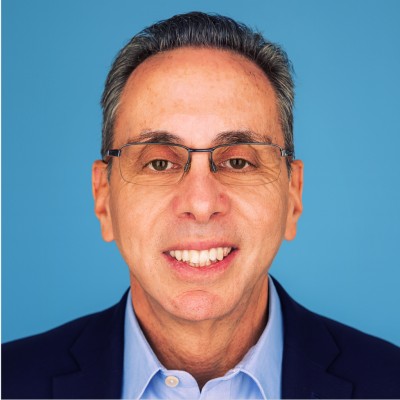
There are 24 states that have legalized recreational marijuana in recent years and a man who once was at the center of the nation’s drug control efforts says he’s “really disturbed” at what he’s seeing as a result. “The health impacts on [people]…the increasing psychosis…the visits to emergency rooms,” says former Acting Drug Czar Richard Baum. He shares that there are increasing cases of patients under the influence of marijuana showing up in emergency rooms with “screaming and vomiting,” known as “scromiting.”
Baum joins hosts Mark Masselli and Margaret Flinter to discuss his new book, “Inside America’s Opioid Crisis: 12 Hard Lessons for Today’s Drug War,” and what decades of federal drug policy experience have taught him about prevention, treatment and the unintended consequences of major policy shifts.
He acknowledges that opioid deaths have begun to decline in the United States, but believes the country still has not applied the lessons needed to prevent the next wave of addiction.
Baum’s White House Perspective
Drawing on nearly three decades at the White House Office of National Drug Control Policy across five presidential administrations, Baum argues the United States already has the research and evidence needed to address addiction but has not yet committed the sustained investment required to implement it.
“I believe a stronger national investment in prevention infrastructure could be more impactful,” Baum says, pointing to the importance of early intervention programs, school-based prevention efforts and community engagement strategies that have proven effective in other countries. He explains to the hosts how much more federal dollars he wants spent on prevention.
Baum also talks about promising models for prevention and recovery, including youth-focused programs in Iceland, Recovery High Schools designed for students in recovery and emerging innovations that could reshape addiction treatment.
(00:00)
[instrumental music plays]
Mark Masselli (00:04)
Our guest is bringing his insider view to explain how US drug policy has failed and why fentanyl changed
everything.
Richard Baum (00:13)
But the question that, that I have is: how come we're not reaching more people? Three quarters of people with
an opioid use disorder are not seeking or receiving treatment.
Margaret Flinter (00:23)
Richard Baum spent 28 years as a staff member at the White House office of National Drug Control Policy
during five presidential administrations. He was the acting drugs czar during the early months of the first Trump
administration.
Richard (00:38)
People Are going into the ER because of their intensive high potency marijuana use, screaming and vomiting,
scromiting, you know, having a psychotic episode. So, I don't wanna, be a doom-and-gloomer, right? It's, it's
like there are people who use marijuana the way people might have a drink at night and don't have this effect.
So, but, and I'm not calling for like, drastic prison sentences, but we have to wake up to the health consequences
of marijuana.
Margaret (01:08)
This is Conversations on Health Care.
Mark (01:20)
Richard, welcome to Conversations on Health Care. And your new book is titled, inside America's Opioid
Crisis, 12 Hard Lessons for Today's Drug War. You are calling for a $10 billion modernization plan to the
current Federal drug Strategy. Tell us why that's needed now.
Richard (01:38)
Yes, thanks for having me, and thanks for, for that question. You know, it, like any, big area of policy and
program, programmatic activities in the federal government, it is hard to tell sort of how we're doing, because
there's definitely been a lot of investment and the, the annual drug budget is about $45 billion a year. And of
course, that's a lot of money. But my view is that we're doing a lot of things, and some of them are good, and I
can- definitely could point to innovations and change, that's positive. But the question that, that I have is: how
come we're not reaching more people? Three quarters of people with an opioid use disorder are not seeking or
receiving treatment. we have 28 million people with some type of substance use disorder, and they're not getting
the help they need. So, I, I would argue that we're not doing enough. We're not doing all the right things. And
when we have innovative model programs, we're not scaling them nationally to bring them to all who could
benefit from them.
Margaret (02:45)
Well, I'm probably gonna stay focused on this particular element for a minute because, the new research, shows
that opioid related deaths began to decline in 2023 and dropped by nearly half over the next two years, which is
remarkable. Of course, we saw horrific ES escalation prior to that point. but as, as I think you're alluding, you
write that research-based knowledge to effectively combat the opioid crisis already exists, but the country has
yet to sum the will, the resources or the compassion to do so. So, I don't know, the latest stats would seem to
indicate as, as you suggested, maybe we've summoned the will, but not the resources. I think the compassion
element is there, and I think from, you know, our perspective, of course, we see such disproportionate impact on
certain communities and populations within the country. So, tell us more about what you'd like to see happen
either on the will, the resources or the compassion side.
Richard (03:44)
Yeah, you, you, you, you raised an important point, and it is important news. o overall drug, drug overdoses are
down, a bit over, 30%, from, from their peak. and, and I, and that's important and I wanna acknowledge that
progress. but I would say we had this huge increase in, in overdoses, related volts to the surge of the availability
of fentanyl into the drug supply, which, was extremely dangerous, especially when we had about 10 million
people who had, become, were misusing prescription opioids. So, we had this bulge of a vulnerable population,
then we had fentanyl, then we had COVID, and so we had this huge surge of overdoses, and that has subsided
from its peak. and, there are multiple reasons for it. but I would say the leading reason is there has been a, a
important supply interruption, because the source of the, of, the way, the way we get fentanyl into the us, the
way, traffickers get it in is it's produced by the drug cartels of Mexico from precursor chemicals rooted in China.
So, there's vendor disruption, in that, that was, that's temporary and is already ebbing. And if you look closely at
the monthly data on the CDC website, that decline is plateauing, already. and, we have a lot more work to do.
and, and I, I, you know, I really think that a treatment system that only reaches a quarter, and that might even be
a bit optimistic of those need help, is falling short, and great for those who are proactively seeking treatment,
who are getting quality care. And, that's a lot of Americans, but 75% are not. And so, I think the question we
should be asking is how do we reach the rest of them, or at least another 25, 30, 40%, and get them help before
they overdose and put themselves at risk.
Mark (05:48)
You know, you were just talking about the Trump's administration's sort of aggressive drug policy, which seems
to be twofold. One, it's on border security and the other is on trade tariffs. Right. talk about how effective that's
been. You sort of intimated that it looks like it's, had some effect. Is it the effect is really just on fentanyl, or is it
across the board cocaine and other substances coming in?
Richard (06:14)
Yeah, it, it, it's a good question. And, you know, there have been these continuing, dialogues with China. This,
some of this decline started in the Biden administration. It continues in the Trump administration. And I support
this very proactive effort to get China to do more, to control precursor chemicals. A hundred percent. That's
worthwhile. It's important, but we really have to understand that, the drug problem can't be solved or made a lot
better with only demand, or only supply, supply and demand interact and influence each other. And so, it's great
that there was this, there's been this interruption, in the quality, of the, of the fentanyl, the, the high, high, high
potency fentanyl that's coming into the us. It subsided a bit. Traffickers are experimenting with different, drugs
to, to replace them. But we've also seen a huge increase in co-use of stimulants and opioids. Now, about 85% of
people who, are found with, have fentanyl in their body, also have either methamphetamine or cocaine in the
system. And so, these become very, these polydrug patients are very complex patients, as, as you know, that,
there, although there are these three medications for use with opioid use disorder, there aren't, FDA approved
medications for methamphetamine or cocaine. Right? Cocaine is coming into this country at an incredibly rapid
cliff, maybe a thousand metric tons coming in each year into the US methamphetamine. We don't even have an
estimate. The production, which is all happening in Mexico, is, it, it produces very potent product at very low
price also coming into the country. And so, you have this, evolution of the opioid epidemic into this polydrug
epidemic, which is quite dangerous. And as I'm sure you all understand, is that when people are dependent on
more than one substance, the treatment is significantly complicated. People need a lot, you know, they need,
they need extended treatment, they need housing, they need a way to live, they need a way to, they need at least,
a year of treatment. So, you need adequate duration, high quality treatment, and then you need transition into
recovery support, and housing and work and life purpose, all these things that people need. It's expensive. And
so, we need to do more. And that, that's why I proposed, $10 billion more spending. And, you know, I
highlighted the fact that the budget is about just under $50 billion, the existing drug budget. So, it's a 20%
increase. and I think that, like when I was putting together my book, of course, as an advocate in this area, I
wanna do a lot more, but I also wanna be realistic. And, and also there's an absorption capacity when you
expand these programs. So, I believe a 20% increase combined with, the couple billion dollars, coming in from
the litigation settlements, together, that would be about a 25% increase. I think that'll make a real difference.
And I proposed in my book, sort of how to spend the money to be more impactful to continue to continue to
learn from the things we're doing and evolve more rapidly as the epidemic evolves.
Margaret (09:31)
Well, I think we're gonna sit with that for a minute. I wanna hear more about that. That raises so many issues
from workforce to policy to all sorts of things. But for a moment, I want to, go back to something. I think
probably everybody would agree on that this is a terrible thing to see children in high schools and school aged
children, both addicted and also dying, from opioid overdoses and fentanyl and, maybe in particular. So, I'd like
to ask you to, you know, go back, in a moment in time, you, you talked about, in your book, the Obama
administration, and its decision with Congress to eliminate the Safe and Drug-Free Schools program. and the
opioid crisis, I think, continued to expand, in schools at the same time. Tell us more about this situation, your
views on it and, and what gave rise to that being ended had, did it not show positive results today?
Richard (10:26)
Yeah, it's a really good question, and it's a, it's a great, sort of Washington, federal program issue. There were
some problems with the program, with, this, this was a, a program that sent grants, from the Department of
Education to schools to help them administer, drug prevention anti-crime programs, programs. And because
there was, is a, these were grants that went into local, school districts and, local schools. Not all the programs
they implemented were evidence-based. And, there were some things that folks did, not well-intended, but, you
know, calendars distributed and, maybe they had some speakers, but not the high quality curriculum which we,
which experts recommend for prevention. So, the program needed to be reformed, but by eliminating it, they,
they, they broke this sort of, funding stream that was going into schools that, as the opioid epidemic evolved,
could have been adapted to these new drug threats. but now that funding stream is gone, and we've just made a
decision in this country, in the federal government that it's not important enough for every, school and every
class to have, drug prevention education and behavioral health education, and, you know, social emotional
learning, all the things that are to decision making. And I mean, I, I, I understand that like, it is a very
competitive environment, right? When you fight for the, your slice of your budget pie. But I would argue that in
this era where, there are these, such easy availability of dangerous drugs and these fentanyl pills that are often
sold as sedatives, like Xanax, that kids can make, a mistake, you know, and, and well-intended people, they get
something off of social media from the web. it looks like it's the real thing, and yet it contains fentanyl and
people are overdosing and dying. And to your point, you're exactly right. Overdose deaths have been going up
among adolescents, but Dr overall drug use has been kind of going down. But because the drug supply is more
dangerous, the risk is greater. So, I would just say, like, you know, as a, as a parent, at just, we need to get to
kids. Yeah, the basics, education about the risk, the facts, you know, not something somebody, you know,
makes up, you know, with AI in, in an hour or two, there really are approved curriculum that are tested and
validated, and they can and should, be available to all kids. I've also, in my book called for an investment in
earlier, pre-adolescent, prevention programs, recreational programs, and really making sure that even kids in
impoverished communities have access to, doing the things that they enjoy. And there's a lot of research, based
on, what they refer to as the, the Iceland approach where they interview kids. they survey kids and they ask,
what would you like to do? And they open up recreation centers, and if they say they wanna do, you know,
soccer or sports, or they wanna learn, a skill, or they wanna learn how to do dance, whatever it is that they're
excited, getting them engaged in a positive activity really makes a difference. So, I just think we're, we're really
putting the next generation at risk by not making some of these investments.
Mark (14:02)
Well, speaking of strategies that might work, I'm wondering if you can tell us about the lessons you think we've
learned from marijuana legalization and decriminalization, such as what has occurred in in Oregon?
Richard (14:16)
Yeah, really good question. And marijuana could be a whole ‘nother podcast if you invite me back.
Margaret (14:23)
We might.
Richard (14:24)
But so, I have to say, over the years, like you mentioned, I've been involved in a long time. this debate over
marijuana legalization, over the last 10 years has sort of taken a, a lot of bandwidth, right? For those of us who
work in drunk policy. and even though I always knew that there was risks, for legalization, and I never
supported it, I was like, well, it's like it has two thirds support in the country. You know, it's really hard to fight
when people want, access to marijuana. Meanwhile, we've got fentanyl, heroin, methamphetamine, cocaine that
everybody is against, you know, virtually everybody is against. but I have to say, I am really disturbed at what
I'm seeing in terms of the research of, what people are using the health impacts on them, the increase in
psychosis, the, the visits to emergency room. a colleague of mine, told me about the word, scramming
screaming and vomiting, the combination people are going into the ER because of their intensive high potency
marijuana use, screaming and vomiting, scramming, you know, having a psychotic episode. So, I, I don't wanna,
be a, a doom-and-gloomer, right? It's, it's like there are people who use marijuana the way people might have a
drink at night and don't have this effect. So, but, and I'm not calling for like, drastic prison sentences, but we
have to wake up to the health consequences of marijuana. You know, the, our national survey on drug use and
health says are 20 million people about who have a marijuana use disorder. Well, that's a lot of people. And
that's, and 3.5 million have a severe use disorder. They're probably smoking marijuana or consuming it every
day, maybe multiple times a day. And I would worry about my kid, and their, you know, their development of
their brain and body. So, you know, I, my focus is focused. I have a bit of little section on, on marijuana and
why we need to take it more seriously. but, yeah, I, I think legalization has been oversold and not panned out as
the advocates promise.
Margaret (16:42)
I think there's gonna be a second edition of your book before too much time, time goes by. but one of the things,
that you argue for is, integration of the health and the justice solutions. And, and you write about replacing mass
incarceration with smarter, fairer approaches. I'd like to maybe have you, one, describe the approach, but two,
how realistic is that concept in this current tough on crime environment we're in?
Richard (17:09)
Well, I mean, I think it's quite realistic, and all the things I talk about are already happening to some degree.
And what I'm proposing is scaling them. And, you know, when, when you look at drug markets, and the, and
look at our experience, the crack cocaine epidemic when we had these mass arrests of dealers or user dealers,
there are other ways to disrupt drug market without arresting everybody - users, user dealers, and dealers. If
police can look at a drug market and identify the, the leaders of the organization the most, the violent offenders,
the instigators of problems, the key nodes and arrest them, you know, but there are a lot of other, like, people
more tangentially involved in the drug market. maybe they're addicted themselves. They don't, they don't need
to go into jail for five years. so, I think that, that there's a way to definitely take on drug markets. I'm not saying
ignore drug markets. I'm saying, go ahead and take them on in a more thoughtful way and, and do it in a
partnership with the community. you know, and so what I'm proposing, originally these ideas were by, the
scholar David Kennedy, which who I referenced, is let's find a way to take down these drug markets that builds
partnership with the community, maintains support, gets rid of the worst actors and diverts, the, low level
nonviolent offenders into something else, either treatment or work or social services, or just gets them to agree
to stop doing it. And, you know, I'm, I'm not, I, I go into this more detail in the book, but I'm not suggesting,
you know, someone writes a polite, letter to them and to have them quit selling drugs. There's a very sort of
specific protocol where the police collect evidence against everybody involved in the drug market, and they take
what is a very sort of soft deterrent. Like, “Hey, maybe one day they'll get arrested,” to, “Oh no, we already
have the evidence on you, so this is your last warning.” If, if you're caught, we see a drug dealer one more time,
we have the case ready to go, so you're gonna stop dealing drugs, you're gonna take these other offers, or you're
gonna be arrested. So, it's a, a, a, a really good program. One more thing I wanna mention is people are, are
familiar with drug treatment courts. That's sort of a trip, typical diversion effort. and people, they, it, they occur
after you're arrested, then you see a judge, you get an opportunity to receive treatment instead of a, a prison
sentence. So, one I'm proposing, a more effort to invest in these drug courts that start their drug treatment
immediately, what they've been, what we traditionally drug courts, it takes several weeks, a month or so until
treatment starts. But during the fentanyl era, people that were daily using drugs, were overdosing and dying
before the court program started. So, I'm calling for front loading the treatment, and secondly, there's something
called quote unquote deflection where police officers are facilitating treatment entry of people they encounter,
either on the street or who they get a call from a family member. And the, the officers, this started up in
Massachusetts because the police chiefs were so worried about people overdosing at such a high rate, and they
are act, and they, and they support Narcan and Naloxone, and they were reviving a lot of people, but they're like,
we need to do more. And so, all over the country, there are now programs where police are facilitating treatment
entry, and it's a great program and it should be expanded.
Margaret (20:51)
Great.
Mark (20:52)
You know, Margaret, we run a large primary care system and, we take a look at untimely deaths. I think we see
alcohol as one of the key drivers. Right. to that, talk to us a little bit about, is alcohol part of this sort of a
gateway to, to other drugs? Or what's your focus in on how we're gonna deal with the alcohol problem that we
have in the country?
Richard (21:14)
Yeah, it's a really good question. Alcohol addiction and alcohol related deaths are as big a problem as the drug
problem. most of the things that I write about in my book would also benefit people that have a problem with
alcohol, this type of, deflection into treatment, or drug courts or DWI courts. So, it is a very serious problem.
And, as, you know, as we know from our conversation on marijuana, just 'cause something's legal doesn't make
it safe. and, it, it is a kind of a funny thing. You know, there isn't an equivalent of the Office of National Drug
Control Policy for alcohol, right? although there are government programs that work in alcohol, and so me and
my office aren't tasked specifically, you know, my former office left a few months ago aren't tasked with alcohol
policy. But these efforts to get treatment and housing and quality extended treatment, all that also benefit people
with an alcohol problem. And a lot of people are also drinking and using drugs, and they're also many with co-
occurring mental health problems. So, a lot of these problems and these complex patients, you know, overlap.
Margaret (22:25)
Well, when you, when you put it that way, we have to always come back to early intervention prevention
everywhere we can. and one of the, going back again, more to our, our, younger people, you write about the
need for, intervention, early intervention and, and praise recovery high schools, that exist in a few places. I have
to say, I had not heard the phrase recovery high schools. tell us a little bit about where they are, where they
work, how are they funded, and is this a, model initiative that people should be getting behind?
Richard (22:59)
Well, it is, there aren't that many. I think there are only around 20 something of them. They tend to be locally
funded. and, you know, it's, there are a, a lot of young people who do develop, serious, drug or alcohol problem,
and their schooling is interrupted, right? You know, while they're in active drug use, and then while they're in
treatment. And then the question is, okay, how do we, help get them back? And if they have successful
treatment, I mean, many go back, you know, just to a regular, say high school, but to put them in a supportive
environment that is specifically set up to, help strengthen, their recovery, has proven to be, really helpful,
especially those who've had a severe addiction. And as I'm sure you, you all understand, if somebody is 16, 17
and they've been using, really these dangerous drugs, it can do a lot of damage. And it's a long journey back. So,
creating that supportive environment is really critical. And I, I believe we, we, we should have a national
program supporting recovery high schools. And I also am a big believer in collegiate recovery programs. And I,
when I was acting drugs are for a year, I visited, visited several of them. And it's basically a place for people
who, either were in college or didn't get a chance to start college, who have a history of drug use, and now are
getting back to their education, sort of a, a place of their own, a sort of a, a support network. they're usually
funded with a little bit of, as a club with a little bit money from schools. They're not that expensive. Maybe they
have like a room and an office and some support from the school administration. but they do something even
better or even more than supporting those in recovery. They sponsor, sober events before football games or a
movie night. And just as an alternative, you know, obviously people can do whatever they want or, but it's just a
reminder that people in college, you don't have to go out and get drunk every night or, or, or, or use drugs. There
are sober opportunities. And I think modeling that I think reduces the peer pressure and sets a good example. so
that, people have other options. So, the great programs are inexpensive. a lot of colleges all over the country
already have them. they could use a bit more, support as well.
Mark (25:28)
Margaret, Richard mentioned Iceland. I didn't mention it, he mentioned it, so I gotta go there.
(25:32)
[Margaret and Richard laughing]
Mark (25:33)
Favorite place to go. So, I'm sure everybody's interested. I know we looked to Iceland for their saunas and their
outdoor life. But, talk, talk to us a little bit about, their drug prevention model and why it impresses you so
much.
Richard (25:49)
Yeah. yeah, I, I did get a chance to visit Iceland with my family, and it is a great place, to visit, but it also gets
pretty dark and gloomy during, during the winter. And the, the, the government in Iceland, this is going back, 10
or 15 years or so, were worried about rising alcohol and drug use in the country. And they looked for
alternatives to, for prevention. And they hit upon some research that had been done in the US at first, and they
invited the people who've done that research over to Iceland to help them, start this program. and what they,
what they, what they did is, they did a very careful survey of students and parents and talked about what people
wanna do, what they would be interested. And they developed a system to make it easy and cheap. They did
vouchers so that every, family could, get a chance to have their, their kid or kids, participate, in a pro-social
activity. and, you know, I think those of us who worked in the drunk policy, you know, we weren't thinking that,
like starting, starting a, a soccer league or a dance club or a chess tournament or something was drug prevention.
But it turns out, if you, if you give these kids an activity to choose what they wanna do, you know, it's like, it's
not like they need a lecture on like what drugs are and how they're risky. I mean, that's appropriate as well at a
certain age in school. But if you're a 11, 12-year-old kid and you're just on your phone or you're just home and
it's cold and it's boring, there are distractions. and kid just really, don't, they have a lot of energy and that they
like to be with each other and they like to follow their interests. and, they dropped alcohol and drug use
remarkably after doing, the program. And it's really something that we should look at. There have been some
small models in the us but it's worthy of a, a federal, program. And I should say, and I write about this in the
book, it used to be something, back, more towards, you know, the New Deal era where we used to support,
recreation federally. They were building these giant swimming pools. and then, sort of, as we, as we got into, the
civil rights movement and integration, a lot of these places, they closed down their recreational facilities. And
that was white flight, out of the, some of the urban areas. And, you know, it's not that much money to invest in
having a recreational center. So, you know, we don't want our kids on the street, and we don't want them stuck
at home on social media every night. We want them to get out and do things that are safe and pro-social. and,
you know, we can do this for our kids. I mean, we need to think a little bit bigger. You know, I wanted to
mention, we talked about the money. 'Cause I know these big numbers, 10 billion, my proposed increase in $45
billion budget are, no, are large, you know, but, the cost of the opioid estimate, of the opioid epidemic is
probably a couple trillion dollars a year. Absolutely. Now, if you look at, loss taxation and just the, the cost to
society, criminal justice costs, and I'm not suggesting that because it costs over a trillion dollars a year, we just
spend a trillion dollars. But I just mentioned that, that these downrange range costs, incarceration, repeated
treatment, emergency response, they're very expensive. and they cost our society a lot. And think about it in
terms of prevention. If you find a kid that is, is having some behavior problems and you intervene with him or
her and their family at seven or eight instead of 17 or 18, you're making a huge difference in that kid and that
family's life. And you're saving so much money compared to, you know, getting a counselor or a social worker
working with that kid, working with that family that costs compared to, criminal justice costs, police,
prosecution, jail, it's, it's, it's a relatively small, we've gotta move upstream in our country and help people when
they're younger.
Margaret (30:12)
Well, thank you, for that note and for reminding us: good social policy is good health policy is good economic
policy and also social justice. So, thank you for that. And thank you, Richard, for joining us. The book is titled
“Inside America's Opioid Crisis, 12 Hard Lessons for Today's Drug War”. The Publisher is Bloomsbury. And
thank you to our audience for being here. Just a reminder, please be sure to subscribe to our videos on YouTube,
find us on Facebook and X, and please share your thoughts and your comments about this program. Take care
and be well.
(30:47)
[instrumental music plays]
Margaret (30:50)
This copyrighted program is produced by Conversations on Health Care and cannot be reproduced or remitted in
whole or in part without the express written consent from Community Health Center, Inc. The views expressed
by guests are their own, and they do not necessarily reflect the opinion of Conversations on Health Care or its
affiliated entities.
(31:12)
[instrumental music plays out]