How a West Virginia Community Health Center Leader Inspires the Country
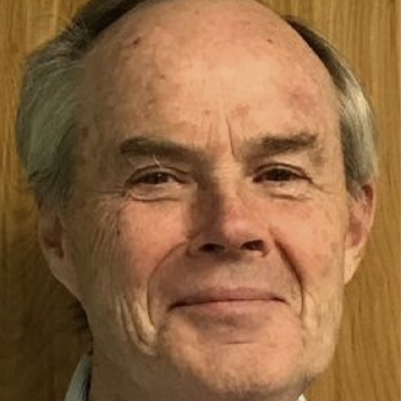
For more than five decades, Craig Robinson has helped shape the future of community health in West Virginia and beyond.
Mark Masselli and Margaret Flinter talk with the longtime executive director of Cabin Creek Health Systems to reflect on a career spent expanding access to care in rural communities, building innovative community health models, and helping miners and families access the health care they need.
“You see miners that are like 35 years old trying to play with a kid in their yard… and they finally have to sit down. They can’t do it anymore because of shortness of breath,” Robinson says.
Robinson shares how local leadership, trusted partnerships, and community health centers became lifelines for thousands of families.
“They say a third of the West Virginia population uses community health centers as their source of care, primary care…they are the ones that take on the bigger health problems like addiction and black lung.”
Robinson also discusses addiction care, workforce development, diabetes prevention, and why community health centers remain essential to the future of American health care.
(00:00)
[instrumental music plays]
Mark Masselli (00:04)
Our guest is a renowned leader in community health. His impact in West Virginia is an inspiration to the entire
sector as we look for ways to support the health of all Americans.
Craig Robinson (00:15)
They say a third of the West Virginia population use community health centers as their source of primary care.
So, it's a big deal, and they are the ones that take on the bigger health problems. Like addiction, we talked about.
Black lung is another one. A number of health centers have black lung clinics.
Margaret Flinter (00:43)
Craig Robinson's advocacy in West Virginia goes back over 50 years. He's just retired as the executive director
of Cabin Creek Health Systems.
Craig (00:52)
You see miners that are 35 years old trying to play with a kid in their yard, and they find they have to sit down.
They can't do it anymore.
Margaret (01:04)
This is "Conversations on Health Care."
Mark (01:17)
Craig, welcome to "Conversations on Health Care."
Craig (01:20)
Well, it's wonderful to be here.
Mark (01:22)
Oh, that's great. And as Margaret said, congratulations on your retirement. You led Cabin Creek Health System
for many decades, and before that, you had other health roles in West Virginia. I wonder if you could just tell us
about yourself. You're a New York boy who somehow ended up in West Virginia. What inspired you to take on
these challenges?
Craig (01:43)
Well, the challenge was kind of step by step. In college, I had the benefit of being able to attend, a small group
of coal miners came to the campus to talk about the reason that they were conducting a wildcat strike. And it
had to do with they were losing the healthcare that had been provided through the union hospitals and medical
clinics. And so, they talked about their situation and that got me, for some reason, it grabbed me. There weren't
very many kids at that meeting, or students, and so I got to talk quite a bit with these miners. And I took a
hitchhike trip down through Eastern Kentucky and after graduating, I taught school for a year, and then I went to
the VISTA volunteer office in Washington, and I said, "I want to be a VISTA volunteer, and I want you to send
me to either Eastern Kentucky or southern West Virginia." Wow. And they had a southern West Virginia
project, and so they sent me. Perfect. And basically, they said, "Well, do whatever you want to do in
healthcare." It was supposed to be a health-related project, but they left it up to the volunteers to figure out what
to do. And so, I started meeting with people who had been already in the area for about a year, other people
from an organization called Appalachian Volunteers. And so, they introduced me around to people, and I got to
meet an African American woman who described the problem of access to water. They didn't have access to
water system in the African American part of a coal camp. They did in the white part. And so, they were having
to drive down the road to a spring that was just spouting a little bit of water out of on the side of the road. And
so anyway, I went there. I said, "Sure, I'll help." We raised a little bit of money, and the community came
together and dug this long ditch under a railroad and through a creek and tied into the other system nearby. So, I
got to have a lot of free time talking to miners when I was working there, digging that ditch. And I came to
understand that almost anybody with experience in the mine was suffering from lung disease or breathlessness.
Margaret (05:18)
There's so many things we're interested in talking with you about, but first, congratulations on that work. How
did you then do a crosswalk to healthcare? Dealing with black lung and coal wasn't enough, you had to tackle
healthcare on top of it.
Craig (05:35)
This is getting long, but anyway, as a result of that reform movement in the state, people began to organize to
change their union because the union actually took the position of the coal operators, which we've already done
enough, we don't need to do anymore. And so, a lot of the miners were angry with their union for that. And so, a
reform movement developed in the union, and a guy by the name of Jack Yablonski, who was a district leader of
the mineworkers in Pennsylvania, he said he was going to run against the current president of the union in the
next election. And so, I got involved in that work, working with the miners that I'd already worked with on
black lung, working with them to kind of support them in their reform work. And, Jack Yablonski and his wife
and daughter were murdered after the election, which they'd lost. They lost an election, but there was a lot of
vote tampering at the time, and so it was likely the labor department would overthrow the election. So anyway,
the president of the union, it turned out, paid people to go to Yablonski's house and kill him. And because his
wife and child were there, they killed them as well. So that was a shock. But the miners who had been involved
decided to stay together, and they created something called Miners for Democracy. And they nominated at one
of their meetings, Arnold Miller, who had been a coal miner on Cabin Creek, to run against the entrenched
union leadership. And Arnold won that election. And he hired me to work in the occupational health department
of the union. And Arnold Miller received a letter from the local unions on Cabin Creek, and at that time, there
was a lot of mining going on there. There were five local unions, and the officers of the local unions came
together and wrote a letter to him asking for help in getting better access to healthcare for the miners. They were
concerned about people injured in the mines, but they were also concerned about the families and their
neighbors in the area. So, President Miller didn't know exactly what to do so he gave that letter to another
experienced organizer who worked in healthcare previously, and in the 1950s. So, a generation ahead of me. So,
he and I got this letter and went to talk to the miners and presented the option of you could organize a nonprofit
organization that you could run. On the other hand, you could just try to look for a doctor and set him up in a
practice, but this is something that you could have for a long time, make sure, and you'd have input into the
services. So, they agreed to do that. And, so they organized that and this other fellow from the union-
Mark (10:30)
Craig, was that New River Health at that point?
Craig (10:34)
That became Cabin Creek Health.
Mark (10:36)
Oh, that became Cabin Creek. Okay.
Craig (10:39)
Yeah. And so-
Mark (10:42)
By the way, was that a community health center in the traditional community health center model, the 330
funded, or-
Craig (10:50)
No, this was before 330 monies.
Mark (10:53)
Wow, okay.
Craig (10:55)
They were following a model that was established by the union itself. About 1946, I think it was, they organized
something called the UMWA Health and Retirement Funds. The union had asked for the, a 10-cent royalty per
ton of coal. The coal operators refused. John L. Lewis went on and started a national strike over the issue of
pensions and medical care. Yep. There was a big study done called the Admiral Boone report that-Was a study
of healthcare in the Appalachian coal fields.
Margaret (11:49)
Craig, we're kind of focused, I realize, sitting here, we've talked about the union work to try and get help for the
miners, black lung disease, opioid addiction. But when I think about your legacy in West Virginia, I also think
of all the work you did in prevention, and in building health. I think you had a freestanding birth center, at one
point that you had created. We know that you've done a lot with workforce development. We really appreciate
the high quality of the postgraduate nurse practitioner residency program that you've created, and that we've
done some collaboration on. You took diabetes, one of the most common chronic illnesses the population faces
and put in place the kind of work you need to do to get a handle on that and bring health to those populations.
Maybe share a little bit with us about when you look back on your legacy, what are the elements that you are
most proud of in terms of really bringing health to the people that you worked with in the communities that the
health centers cared for?
Craig (13:02)
Well, that's tough. I'm proud of the partnerships that we built and also, I'm really proud of what you started
actually, which is the program to provide additional education and support for new nurse practitioners and
physician assistants even, in our case. So, that to me is really exciting. We came to understand that people just
coming out of school to be clinicians in a community health center are really not prepared for that, and that leads
to dissatisfaction on the part of the clinician, and just unhappiness. And it is so much better, we've learned, for
people to have some time to when they're under more closer supervision and also have a chance to explore the
kinds of disease and prevention strategies that actually work. So, yeah. That's really-
Mark (14:42)
I'm wondering, I think about, and Margaret's laid it out quite nicely, about the innovations that have come out of
West Virginia in terms of developing rich responses to really critical problems that individuals and West
Virginia faces. Thinking about the rural health transformation dollars that are now afoot, we're reminded, we
had Kathleen Sebelius on the other day, and she reminded us, this came after an enormous cut to rural
communities. But there is $50 billion out there for rural health. I can't help but think of West Virginia as on the
cutting edge, and I'm just wondering, and I know you're in retirement, but you're also somebody who's still very
close to the action there. What do you think the opportunities are? We know the challenges in rural health
delivery, but what are the opportunities with those monies that can help strengthen rural healthcare? What do
you think about, or what are your colleagues thinking about with those monies that are coming very quickly to
states across the country like West Virginia?
Craig (15:55)
Well, I'm not one of the optimistic people about that money. It is an enormous amount of money, and you just
think, "Oh my gosh, we could do so much with that." But in West Virginia, the governor's a very strong Trump
supporter. Yeah. And so, he was anxious to take advantage of that to show the commitment to rural health that
he had and that our president had. And as a result, he hired very expensive and very well-known consulting
firms to put together the program, and they seemed to come up with, "Well, let's get better transportation." And,
whereas I've spent my career trying to get healthcare closer to people, and they wanted people to find their way
to the healthcare. But the other thing is that they, in the putting together their program, they never
communicated with any of the community health centers. And over the last, whatever it is, 50 years, there's been
a lot of work here to improve rural health, so why wouldn't they ask about it or do something? But from what I
gather, they really haven't talked to us.
Margaret (17:48)
There are so many things we'd like to speak with you about, but one that I think, again, weighs on the minds of a
lot of people across the country and is true in West Virginia, is that you've had the opportunity to see the impact
of Medicaid expansion, right, during the COVID era, which I imagine was a big lift to the resources of the
safety net and the community health centers. There's still some states that haven't expanded it, of course, and
now we're looking to a retrenchment in Medicaid based on the rules for eligibility and restrictions and so forth.
What are you seeing or what do you anticipate you're going to see in West Virginia about how will the state
make up for that retrenchment?
Craig (18:36)
Well, that's the other problem with that Rural Health transformation money is that they don't recognize the
amount of money that we're losing to the state through the Medicaid cuts. And they're cutting in kind of a nasty
way, to me, is that this idea of you've got to prove that you're employed for so many hours a week, and they
know they're going to lose people because of the paperwork involved. But they can claim that it's only the ne'er-
do-wells that are not getting Medicaid. But they're going to have to have more bureaucracy to make those
determinations about who's working and who's not, and who's in school and who's not, and is it enough hours or
whatever. So that's-
Margaret (19:39)
Do you think the state will help offset the losses that will be experienced by the community health centers and
safety net providers?
Craig (19:47)
That's not what I get out of the plans. It seems like it's very heavy on technology and as I said, transportation.
They do talk about training clinicians and other staff. There is some money for that. I'm not sure how it's going
to be used.
Mark (20:17)
Craig, can you sort of-
Craig (20:18)
Yeah. And I'm not sure how to resist, I guess, or how to have input in a way that would actually allow for some
of that money to do something important that might have some lasting power.
Mark (20:35)
Well, maybe some advice on resistance is that while it's a five-year program, every year, they're going to have to
re-up and go back to CMS for that. So, it's not like they're giving out five-year grants. They're giving out one,
CMS is going to come back and evaluate them. How critical they'll be is another question, but we remind
everyone that this is the first of five rounds, so more opportunities to weigh in, certainly do that. Paint this
picture, though, for us. You start off in Cabin Creek. I don't know, there's no other health center in West
Virginia at that point. What's the health center network look like in West Virginia today? How big and robust is
it?
Craig (21:18)
Well, they say a third of the West Virginia population use community health centers as their source of primary
care. So, it's a big deal, and they are the ones that take on the bigger health problems, like addiction we talked
about. Black lung is another one. A number of health centers have black lung clinics.
Mark (21:47)
I'm wondering if you've run into people like Jack Geiger in your... Who have been some of your role models as
you look out over your career within the health center movement? We certainly had Jack as high on our list as-
Margaret (22:01)
Absolutely. Cut from the same cloth.
Mark (22:04)
Yeah.
Craig (22:05)
Yeah, he's an important guy. And I think learning about, was it Jack Geiger that went to Palala?
Margaret (22:18)
Yes.
Mark (22:18)
Yeah.
Craig (22:19)
In South Africa.
Margaret (22:19)
I followed in his footsteps and went to visit myself several years ago. Just to walk the hallowed ground.
Craig (22:27)
Yeah. So, the idea that they would use that as a model where the clinic was also the center of a lot of activities
to address just life's hardships generally, and I thought that was really, really important.
Margaret (22:53)
You know, Jack. Jack. Craig, when I first met you and over subsequent years, it was clear that you both had the
heart, soul, and the mind of an activist and an organizer, but you're also a solidly good businessperson running
your community health centers, which as we all know, are not easy entities to run. But one of the things that has
been such a lift, so much wind in the sails of so many health centers, has been the 340B program. For those who
don't know the acronym, the pharmacy 340B program, which allows health centers to take advantage of some
legislation and ultimately acquire medications at lower costs for their patients. How important was that to you in
recent years, or really over the last maybe 10 or 20 years, I think it goes back to the 1990s, in operating
successful community health centers, and how concerned are people within the health center movement, and the
safety net hospitals, I imagine, in West Virginia at its possible rollback?
Craig (24:04)
I don't know the specific numbers but I was told them just a few days ago, but I don't have them in my head. But
it is an enormous blow to think about the loss of the 340B program, not only for the health centers but also for
our patients. It's really been wonderful to be able to assure patients, so we can get medicine to them that they
need at a price that they can easily pay. So, it's huge. And it's just hard to, given all the health centers in the state
that take advantage of 340B, it's really going to have a big effect. Yeah. A big negative effect on people's health.
Mark (25:07)
Well, we're also of the mind that this is not the way to fund community health centers. They need to continue to
fulfill the commitment that healthcare is a right and not a privilege, and that requires resources to do it. But it's
an essential, vital program for our patients who depend on it so much. You look at the pharmaceutical costs that
are encroaching on everybody's well-being because they continue to rise wherever you are in the income scale.
We, as a country, haven't gotten control of that. But Jack, you are our jack, I just want you to know that.
Craig (25:43)
Thank you.
Mark (25:44)
But Craig, tell us a little more about, as you think about your future, and one of the reasons we wanted to talk to
you, you're just so a font of knowledge and experience that's so vital to it. I know you also deserve time to retire.
But what are your plans?
Craig (26:05)
Yeah. To get to know my grandchildren, I guess that's one thing. But I think it's interesting. I'm kind of
returning to the black lung days. There still are black lung associations in several counties. I just went to a
meeting of one a couple of days ago. They were having a special thing and a special recognition of the miners
who have been lost due to accidents and black lung. That's what I'm spending some time on now, is attending
those black lung association meetings and working with the leaders of those groups. And we were in
Washington at the Department of Labor, particularly to deal with the problem of this upsurge in black lung due
to the high levels of silica dust that now is part of mining because now they're mining narrower seams of coal,
which is requiring that they mine into the rock above and below those coal seams, and that sandstone rock is
where the silica is. And so, people, very young miners under 10 years, are getting sick, even with the more
complicated versions of the disease. More opacities in the lungs. Under the Biden administration, after much
study, they came up with a new guideline for silica dust, the amount of silica dust that can be allowed without
hurting the miners. And then with the new administration, there was a decision to-- It may not be totally dead,
but it's pretty moribund. And it's really sad because when you're around young miners, and I live in a
neighborhood with miners, it's really interesting. You see miners that are 35 years old trying to play with a kid
in their yard, and they find they have to sit down. They can't do it anymore. So anyway, black lung, again, is
something that we're not forgetting about.
Margaret (29:38)
Well, Craig, from your grandchildren to the miners of West Virginia- To us ... to us, great appreciation for the
work that you've done, how you've spent your working employed life and your working retirement life, and also
time for leisure and time for reflection on all that has transpired. We want to thank you so much for joining us
today and thank you to our audience for being here. Remember, subscribe to our videos on YouTube, find us on
Facebook and X, and please, we would welcome you sharing your thoughts and your comments about this
program. Take care and be well. Craig, thank you so much again for joining us on "Conversations."
Craig (30:21)
Thank you. You're very generous.
(30:24)
[instrumental music plays]
Margaret (30:27)
This copyrighted program is produced by "Conversations on Healthcare" and cannot be reproduced or
retransmitted in whole or in part without the express written consent from Community Health Center, Inc. The
views expressed by guests are their own, and they do not necessarily reflect the opinion of "Conversations on
Healthcare" or its affiliated entities.
(30:48)
[instrumental music plays out]