Dr. Zeke Emanuel: Tough Talk on Living Longer
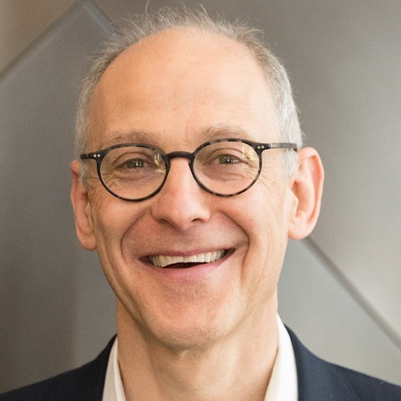
Dr. Zeke Emanuel, a renowned bioethicist who helped draft the Affordable Care Act, is turning his attention to a new goal: helping us live longer. His new best-selling book is “Eat Your Ice Cream: Six Simple Rules for a Long and Healthy Life.”
He believes some of the recent federal changes to the food dietary guidelines are contrary to the goal of a longer life. “The negatives are this overwhelming emphasis on eating more beef and beef tallow. There’s a lot of data that that’s not a good idea and…leads to premature mortality. We already in this country….eat way too much beef. We also have to change the food production ecosystem away from ultra-processed foods….and you have to make that more expensive so people will eat less of them and shift over to healthier things.”
Hosts Mark Masselli and Margaret Flinter also ask Dr. Emanuel about his recent op-ed. The piece explains his view that anti-vaccine policymakers could undercut vaccine availability.
(00:00)
[instrumental music plays]
Mark Masselli (00:04)
The average lifespan for Americans is going up again after several years of decline during the pandemic. How
can we all take steps to living longer? And what role do policy makers have in making this happen?
Dr. Zeke Emanuel (00:17)
The second rule is socialize. Human interaction is what human beings are made for. We're social animals and
we have to interact. That's key to a long and healthy life.
Margaret Flinter (00:28)
Our guest is Dr. Zeke Emanuel, and his new book is titled “Eat Your Ice Cream; Six Simple Rules for a Long
and Healthy Life”.
Dr. Emanuel (00:37)
The fact is, we're social beings. You know, we are not the strongest animal in the world. We're not the fastest
animal in the world. we are powerful because we can collaborate with people. That's the whole point of the
neocortex. The new part of the brain is to navigate social interactions and to work with other people. and that's
really, really important. and one of our problems is we're going in the wrong direction. Loneliness is
dramatically increasing. Eating alone is dramatically increasing. But we know from things like the Harvard
Adult Development Study, the longest running study, over 80 years following people, those people who live the
longest have the fewest health problems and are the happiest are people who have close friends and interact
regularly with close friends.
Margaret (01:26)
This is Conversations on Healthcare.
Mark (01:38)
Well, Dr. Emanuel, welcome back to Conversations on Healthcare.
Dr. Emanuel (01:42)
It's my great pleasure to be here.
Mark (01:45)
Alright, let's get to this serious question. What's your favorite flavor of ice cream?
Dr. Emmanuel (01:49)
Well, at a book party, some of the, an ice cream maker in Washington made me labneh honey with candied
pistachio. Let me tell you, heaven on Earth.
Margaret (02:00)
There you go.
Mark (02:01)
Oh, That's okay. That's great. Let's not wait also to ask you, what do you believe are the six simple rules for a
long and healthy life?
D. Emanuel (02:03)
Well, as I say in my book, the first rule is don't be a schmuck. Don't take unnecessary, unreasonable high risks.
The second rule is: socialize. Human interaction is what human beings are made for. We're social animals and
we have to interact. That's key to a long and healthy life. Third rule, keep mentally sharp and do things that are
gonna keep your mind active. Third, you know, eat well. Fourth exercise, do the three different kinds of
exercise, or that's fifth and sixth is, sleep. and all of them are important. The one I leave out that lots of people
ask me about is stress. And as I like to say, you know, if you do the six things, stress takes care of itself. It's a,
by reducing your stress is a byproduct of actually doing these things. And every book or recommendation you
look up about reducing stress, they say, you know, exercise, talk to people. It's the six key simple rules of
wellness.
Margaret (03:15)
Well, in the chapter on ice cream, you talk about GLP-1s, but you also say, you're an advocate for personal
willpower when it comes to trying, to lose weight. And we, we don't often hear so much about that these days.
But let's start with the long-term concerns that you have with GLP-1s.
Dr. Emanuel (03:34)
Well, actually, I'm a big advocate of GLP-1s. I think they're a good thing. I think they're amazing drugs. One of
the real five big breakthroughs since the start of this century. but you can't have a society where everyone's
eating terribly, getting obese and then treating them with GLP-1s. We have a food ecosystem that encourages
people to eat unhealthily, ultra processed foods, high in sugar, high in salt, high in carbohydrates. And we need
to change that. Yes, willpower is gonna be necessary, but you also have to make it so it's pleasurable. No one
can make, you know, expend their willpower every day if through self-denial or some other way to try to get
healthy. That's just not sustainable. Wellness is something you're gonna have to do for decades and decades and
decades. So, you have to fit it into your life. Make it a habit and make it pleasurable, something you actually
look forward to. And with food, it's easy. Looking forward to healthy food, that's pretty easy because healthy
food tastes great, and you can eat it with other people and socialize. So that's, that's the approach I think we have
to take. And, you know, from a government standpoint and a policy standpoint, we have to make, educate
people about eating well. And we also have to reduce the cost of healthy food. Because what we're doing now
is supplementing the cost of unhealthy ultra processed foods. That's a really stupid policy.
Mark (05:03)
Well, you know, you have some really enjoyable sections in the book about your parents and their social
connection habits. And you're right, that social connection matters more than Diet Morgan. I think we've, we've
certainly been talking about Robert Putnam and his whole, thing about social capital, being developed when
people start, not bowling alone, but bowling back together in grooves is so important. what's been the feedback
to, to the advice you're giving here are, are people surprised?
Dr. Emanuel (05:34)
I think people are surprised. So, Bob Putnam was actually a professor of mine when I was a graduate student at
Harvard. Yeah. Low these many years ago. I'm embarrassed to say how many years ago. brilliant insights of his,
I mean, it's entered the vernacular, right? Boeing alone. Right. the fact is, we're social beings. You know, we are
not the strongest animal in the world. We're not the fastest animal in the world. we are powerful because we can
collaborate with people. That's the whole point of the neocortex. The new part of the brain is to navigate social
interactions and to work with other people. and that's really, really important. and one of our problems is we're
going in the wrong direction. Loneliness is dramatically increasing. Eating alone is dramatically increasing. But
we know from things like the Harvard Adult Development Study, the longest running study, over 80 years
following people, those people who live the longest have the fewest health problems and are the happiest, are
people who have close friends and interact regularly with close friends. And when you look at studies
throughout the world, whether it's China, Australia, Sweden, the United States, Taiwan, you have overwhelming
data that when people interact regularly as they age, they actually live longer. 22, they have a reduced mortality
risk of between 22 and 30 or 35%. That's dramatic. That's better than exercise. Better than eating well. So, well,
I, that's really, really an important, lesson for us all.
Mark (07:13)
It's a good lesson. But I wonder how, if you're, if you're listening, you're lonely, what, what are the steps that, to
make you un lonely? I mean, what, what, you know, it's, it's hard, right? You've already been isolated. is there
sort of a playbook of how people get engaged? We worry about that. I think in the work that we do, we serve
underserved populations. And too often people can be isolated from each other. But what are any simple steps
that somebody can take?
Dr. Emanuel (07:40)
So, there are two groups that you should keep in mind. One are people who are close friends or related to you,
family or friends. Pick up the phone and talk to them. It's really that simple. You know, them, you can just ask,
how you doing? What did you do for the weekend? How are the holidays? you know, how are your kids, et
cetera. The other are what are called week social interactions. People you might not know, you might have some
overlap. and it turns out that if you force yourself to interact with those people, even if you're an introvert, you
actually are happier. And by the way, you will learn more social skills. So, there's a professor from University of
Chicago, Nick Epley, who did these studies of commuters into Chicago. And he went, and before they got on
the train or the bus, he said, all right, on this week, you're gonna have to talk to at least one person on the
commute. and he did a lot of personality assessments before, and then the next week, don't, you know, don't
make an effort to talk. And it turns out, when you make an effort to talk and you talk to just one person, it makes
your day, it makes you happier. you feel better. You have more energy at the end of the day, because we are
social beings. And when we interact with people, it changes our brain physiology and it changes our body
physiology, a lot. And this is true for introverts as well as for extroverts. So just try that. Now, you know, a lot
of people say, well, the other person might not like it. It's, of course, it's true. All of us had the circumstance.
You know, I get on the plane, I talk to the person next to me, why are you flying to Chicago? Well, they give
you a modest, elaborate response, or they don't even engage. That happens. What have you lost? Nothing.
Nothing. Okay. Right. If they talk, you might learn something about them. You might enjoy, that conversation.
They might ask you something about yourself. And I think those techniques, we have to remember, we're not so
fragile that if someone rejects a conversation, we're gonna crumple. Happens all the time. Right? And my dad
used to tell me, you know, they're probably having a bad day. Maybe someone's sick in their family. Maybe a
business deal's gone bad. Maybe they had a car accident. You don't know. Okay, just cut 'em some slack. And
remember, you're not that fragile. And there's another person, and I have done this repeatedly. My research
assistants do this. You know, I had a, a research assistant who went to a restaurant eating at the bar. He says,
you know, I'm not living the life that's in the book. I've just helped research. So, he starts talking to the
bartender. Turns out, you know, she is working in, trying to get a master's in healthcare administration. They
have a long conversation about the healthcare system. And then the guy down the bar says, oh, I recognize you.
You were in my film class at college, and you talked a lot. And then he, he said he spent half an hour or 40
minutes talking to people. He left the dinner feeling great.
Margaret (10:44)
That's great. Wait, I thought the bartender's job was to talk to the people at the bar, but maybe I missed
something. But, but, Zeke, the book, you're, you're so positive in your, in your comments about what we can do
towards wellness. But you also list some lifestyle choices that you considered distinctly anti-wellness. And you
put social media, media in that bucket total, blackout on social media. Not likely to happen across the
population. Some schools. Oh, but what's your, what's the gradation there? Is it time, is it type of social media?
Is it what it's replacing? What's your, what's your thoughts there? What's the best advice for people?
Dr. Emanuel (11:22)
I, I think you're a hundred percent right that there is a huge opportunity cost. Every minute you spend on social
media is a minute. You're not spending doing something much more meaningful. Especially if what you're doing
is doom scrolling or just looking at pictures on Instagram or whatever. there's a, can be a role for, media and the
cell phone. but I think it's much more limited than it's come to occupy in our life. They have figured out how to
make it addictive to us, just like all the other addictive things, whether, you know, it's cigarettes or gambling.
and that's a bad thing. So, my own prescription is, first of all, I don't get on social. I really, I don't actually scroll
and look at things. I use it for communication where it's appropriate. and I make black. I try to make blackout
days. So, at meals, phone is nowhere to be seen. And as I point out in the book, unless you're trying to settle a
bet, I try to have an electronics free Sabbath one day a week where I'm not looking at it. I'm in my third, year of
making that New Year's pledge because I'm getting better, but I'm still not a hundred percent. And I think that's
an important thing. Just go a whole day. I will tell you, for the last two years, I've prohibited the cell phone in
my class. I prohibited computers where you could surf the internet and tablets, students initially little prickly
about it. And then they come to like it. And the intensity that they're focused on, what's happening in the
classroom, rather than shopping or email or the news or whatever they're looking at, is way better. My
evaluations, and I've done nothing different, haven't changed my teaching style one iota, not different. They
actually appreciate it. And I have a professor who teaches, at another university who saw my op-ed on getting
rid of, cell phones and stuff from classrooms, put it to a vote in her classroom. And she said, kids said we would
prefer not to have social media. I think there's a bit of FOMO, you know, if they're not on social media, they're
wondering whatever everyone else is learning or doing or, and if everyone's got it, it prohibited, then it's fine for
them. And by the way, we're all looking at the Australia experiment, and we're gonna see what difference it
makes for, kids in terms of mental health…
Margaret (13:50)
For Children coming up, yeah.
Mark (13:52)
I, I think we're seeing in our own home communities here, elementary schools who are…
Margaret (13:57)
Boards of Education
Mark (13:58)
…banning it and doing that. And that, I think it's a great…
Dr. Emanuel (14:00)
Bell to bell, no cell phones. I, I, I'm big advocate of that. Two, trying to get it passed in, Pennsylvania, where I
am. And, you know, that the educational attainment of kids who are, not doing that well rises the amount of
bullying in school, the declines, the amount of social interaction increases. There doesn't seem to be any
negative by banning cell phones.
Mark (14:25)
Hey, what do you mean? If I don't have my cell phone, what's AI gonna tell me? I can't talk to AI. but look at
speaking of, speaking of news, you, you note that extending life, is a big topic right now, seeing a lot of, articles
and books out. And you're right, there's really this tsunami of information out there. And you criticize advocates
who treat long life as a gold medal. tell us more about why they're getting it wrong.
Dr. Emanuel (14:52)
You know, there's a headline from a, in a newspaper, scientists say, science will, allow us to live 150 to 200
years. Turns out that headlines from 1909, that's right in the St. Louis Post-Dispatch, we have been wanting to
live longer, longer, longer. that is not a goal. The goal is what are you gonna do with that extra time? What are
you gonna do with that life? And focusing only on living more years rather than on what are you gonna fill those
years with, is the mistake. As I say in the book, it's, it's like putting the means as the end of life. You know,
Brian Johnson, this famous influencer, who by the way, is a perfectly nice guy, I've met him, very nice guy. You
know, I asked him, I said, why do you wanna live to 150, 200 years? Silence? He had no response. Then he
looks to the side, and he says, you know, I'm the most monitored person in the world. Who cares? What are you
doing with that time is the real question. And what bothers me about this focus on living longer, living longer,
living longer, is the fact that that's not the goal. The goal is what do you wanna live for? How are you gonna
contribute? And here, you know, I think Ben Franklin is really the person he used to think, how are you gonna
be useful? And by useful, he didn't mean, you know, in some narrow sense, he said, how are you gonna improve
the world? That because you've passed through it. And, you know, he was constantly inventing things. We know
him for inventing the bifocals, but he invented the lightning rod, swim fins, lots and lots, everything. Yeah. He's
still one of the top five inventors of all time. He has at least 10 different inventions. Right. and he never patented
a one of 'em, his goal, I'm putting 'em out there. People will improve their lives. And that's enough for me.
Margaret (16:51)
Well, we have had on the program…
Mark (16:53)
Not Ben Franklin.
Margaret (16:54)
Not Ben Franklin. Wish I could have. Wish I could have.
Dr. Emanuel (16:57)
Damn. I would've liked to tune into that one!
Margaret (16:58)
…a noted researcher from University of Illinois, Jay Olshansky.
Dr. Emanuel (17:03)
Yes.
Margaret (
And, and Jay made headlines, as you know, when, there was data presented that humans actually are
approaching a biologically based limit to life. So, whether you want to or not, he's thinking, no, there is a limit. I
think it's fair to say that there's a whole industry, particularly embraced by the highly affluent and highly driven
to engage in multiple different interventions to try, and extend life. But just on the kind of science basis, you
know, philosophy, but on this side, the science, do you think he's right? Do you think that, there really is a, sort
of, a pre precondition kind of, lifespan for us humans here?
Dr. Emanuel (17:44)
Yeah. I think Jay has produced a lot of very good data about the decreasing… well, what he shows is the
decreasing increase in lifespan, basically. And that they're, we're butting up against the limit of, you know,
whatever it is, 110, 120 years. and you know, you can see it if you see people who are in their nineties and
certainly in centenarians, they're not up around and dancing. They're not traveling by and large. Are there
exceptions? Absolutely. But if you meet a lot of them, you know, their memory is a little fading. They're usually
sitting in chairs and shuffling between places. and that's what happens because cells die in the body. Connection,
neural connections die in the body. and this idea that there's gonna be universal regen generation of all our, cells
and body organs just doesn't seem to be the case. Certainly.
Mark (18:43)
That's The IT billionaires talking.
Dr. Emanuel (18:45)
What?
Mark (18:46)
That's the IT billionaires all talking.
Dr. Emanuel (18:49)
Yes. That's what they want. That's what they think is gonna happen. And, you know, you might ask them
“Why?” You know, one of the things we end up learning about the IT billionaires is they tend to, stop being
innovative, you know, before they're 50, which is common, right? It's, it's, no, it's not what Einstein said. You
know, if you haven't made your contribution by 30, you're not going that. That's wrong. That happened only in
one brief episode of quantum mec- the development of quantum mechanics in the thirties, mostly innovations
and, breakthroughs. And the Nobel Prize kind of breakthroughs happen in the late thirties, early forties, up until
50. But after that, you know, our creativity just tends to decline. There's a lot of data about that. and there's a
reason, you know, our connections aren't the same. Similarly, our bodies begin to decline. Everyone who's
gotten past 50 and 60 realizes that, you know, their bodies are gonna decline. Maybe it'll be a different rate.
They'll go not to 75, they'll go to 80 or 82. But then it's inevitable. And I think fighting against it as if, you
know, you are going to reverse evolution, I think is probably a, a bad mistake. It's gonna be a certain waste of
time. But I think the, these, billionaires think, what's the world gonna be without me? We’re gonna be fine.
Mark (20:19)
We’ll be ok. Margaret, I, I, I think we're both asked the same question, when, when are we gonna retire? And I
say, when it becomes work. But you know…
Dr. Emanuel (20:28)
That Is a great answer. I love that.
Mark (20:31)
But the retirement industry may have a bone to pick with you. 'Cause you write that retirement leads to more
rapid cognitive decline for people. your advice is to never retire. But are there ways to navigate retirement
without such a decline?
Dr. Emanuel (20:45)
Well, I do say in the book, we're probably all gonna have to, retire, but, and the answer is yes. You know, again,
you can't retire and plan to go, you know, and sit on the beach and sip pina coladas, and that'll be great. that is
actually, a recipe for bad, a bad retirement. You have to figure out what you're gonna fill your time with. We
know that when you stop working, right, cognitive decline actually, increases. There's great study out Iran
looking at different countries that have different ages of retirement, and those countries that have the earlier age
of retirement, the cognitive decline happens, faster. So, what, why is that? Well, there's socialization at work.
There are challenges at work. There's keeping a schedule, at work. There's lots of things that work provides. So,
when you're gonna retire, you have to figure out what are you going to do? Where are you gonna volunteer?
What ho new hobbies are you gonna take up to keep the mind, cognitively engaged and growing and not,
regressing. Avoiding those passive, you know, activities like substituting, watching TV for the hours you spent
working. All of those are gonna be really, really important to do. You know, and whether you take up going to
book clubs or volunteering, at a food bank or, you know, a library, or teaching kids in, school, being a tutor, all
of those are things that can be meaningful and put on a schedule. You don't have to do them 40 hours a week.
You can do them less, but they keep you engaged, longer. And I think that's, critically important. The other
critically important element is you eating well, so that you're not eating ultra processed foods, because we know
ultra processed foods actually, create, make the cognitive decline more rapid exercise. These are all things that
are, can add to, a long and healthy life.
Dr. Emanuel (22:54)
Well, Zeke, I think most of our listeners know that you have held a number of very important roles, in the
federal government. And as we look at this issue of wellness and longevity, seems to me that the policymakers
have the potential to really make some positive, impact and also probably have a lot of concerns about what
does it mean as people live longer, healthy lives. How do you think our leaders are doing it, both emphasizing
the wellness into the later years and also just supporting the longest fullest life people can have?
Dr. Emanuel (23:27)
Well, I think we're not doing a great job. you know, we are, I will say, I think the new food guidelines that have
been released, there are some positives and there are some negatives. I think net, the positives exceed the
negatives in this case. The emphasis on not eating as much ultra processed foods, cooking at home, decreasing
your sugar intake, decreasing your salt intake, all positive, increasing your fruits and vegetables, nuts, for
example. The negatives are this, overwhelming, emphasis on eating more beef, which seems like, and beef
tallow, which beef Tallow my Favorite lots of data that that's not a good idea. That the saturated fats, but also
lots of other things, are, is not healthy and leads to premature mortality. and, you know, we're already in this
country eat 12 ounces per person per day of meat way too much. And in my book, I suggest going down to
something closer to six ounces a week rather than 12 ounces a day. that's, going in the right direction. I would
say the second problem, with the government is, you know, you, if you really want people to eat well, you have
to change the food supply, and you have to change the food, production ecosystem away from ultra processed
foods. And, you know, you have all these manufacturers making bad food, packaged cakes, packaged cookies,
packaged pizzas, frozen burritos or whatever. And you have to make that less, more expensive so people will eat
less of them and shift over to eating healthy things, whether it's fruits and vegetables, or nuts or beans. and we
haven't taken that step. The other step is, as you point out, there is a big fiscal question. If people are living
longer, healthier lives, what are we gonna do about Social Security, Medicare, right? And to date, the
government is not confronting that question and not confronting how we gonna ma how we're gonna make those
programs sustainable. and the consequences, costs for, pe seniors are going way up. and the poverty level of
seniors, which has been going down, down, down, is, beginning to creep up.
Mark (25:58)
You know, speak, speaking of the government in the book and in recent Washington Post op-ed, you address the
vaccine controversy, and you write that the HHS secretary, Robert F. Kennedy Jr, has devised really an
underhanded way to take away vaccines from Americans. why do you see this happening?
Dr. Emanuel (26:17)
I don't know why he's completely against vaccines, except to make money. but they are overwhelming, one of
the greatest health interventions. And one of the reasons I think he's hit, well, there are two reasons I think he's
hitting a nerve. One is the success of vaccines, right? Your parents and my parents, would worry in the 1950s
when summer would come, right? And polio would spread, right? And maybe their kid would get polio and end
up paralyzed or even worse on an iron lung. And they were paralyzed by that fear. And when the Salk vaccine
and then the Sabin vaccines came out, they lined their kids up. They couldn't wait to get their kids a vaccine.
And then we got, vaccines against measles, mumps, rubella, diphtheria, tetanus, all sorts of threats to children's,
wellbeing. And that success, the fact that those diseases have virtually disappeared, meant people got a lot more
suspicious; “Why do we need the vaccines? These diseases aren't a threat to us.” Well, they are a threat if you
stop getting vaccines. And we've now seen that with measles. So, I think that's one thing that sort of, the, the
adverse consequence of the success of vaccines. the other, problem, I think is this problem of, you know, the,
the government shouldn't tell me what to do. and that's, you know, frankly been exacerbated by COVID and
some of the bad response that the government had during COVID. And, you know, all of us were trying to
figure out the right thing to do during the pandemic. I think we've learned a lot from that pandemic. Hopefully it
won't be forgotten. but I think this anti-authoritarianism, I'm an individual, don't tell me what to do, I think is,
permeated. And unfortunately, in vaccines, the critical factor is herd immunity. We all need to work together
into collaborate. And that, I'm gonna do whatever I want. we see the consequence of that in the outbreaks about,
of measles. And now we're having diphtheria go up and a lot of adverse health consequences. And, you know,
the fact is RFK Juniors simply wrong about vaccines, but he is really working hard to undercut vaccines and to
make them, unavailable. He's not gonna make them unavailable by government edict. He's gonna make them
unavailable because manufacturers who are already not making a lot of money from vaccines are suddenly
gonna say, this doesn't make fiscal sense. We're getting out of the vaccine business. Or at least we're getting out
of it in the United States. And that means everyone is gonna suffer.
Margaret (29:01)
Well, thank you so much Dr. Emanuel, for joining us again on Conversations. the book is titled, “Eat Your Ice
Cream; Six Simple Rules for a Long and Healthy Life”. The publisher is W.W. Norton. And thank you to our
audience for being here. And remember to subscribe to our videos on YouTube, find us on Facebook and X, and
please share your thoughts and your comments about this program. Take care and be well.
(29:27)
[instrumental music plays]
(29:30)
This copyrighted program is produced by Conversations on Health Care and cannot be reproduced or remitted in
whole or in part without the express written consent from Community Health Center, Inc. The views expressed
by guests are their own, and they do not necessarily reflect the opinion of conversations on healthcare or its
affiliated entities.
(29:52)
[Instrumental music plays out]